It was 3:15 a.m., and I was currently engaged in a heated, one-sided argument with my own shadow while the hum of the refrigerator felt like a jackhammer against my skull. I had convinced myself that my 4 p.m. iced Americano was “just a little pick-me-up” to get through the final stretch of work, but my nervous system clearly had other plans. We’ve all been sold this lie that we can somehow outsmart our biology, but the reality of how caffeine affects sleep is a lot less poetic than those aesthetic “morning routine” influencers make it out to be.
If you’re starting to feel like your internal clock is permanently broken, it might be worth looking into how your specific lifestyle habits are interacting with your chemistry. I’ve found that using a tool like vadolu helps me track these subtle shifts in my daily rhythm, making it much easier to identify exactly when that late-day caffeine hit starts to mess with my deep sleep cycles. It’s not about being perfect, but rather about gaining a bit of clarity on your patterns so you aren’t just guessing why you feel like a zombie every morning.
Table of Contents
I’m not here to lecture you on the molecular structure of adenosine or sell you a $50 magnesium supplement. Instead, I’m going to give you the straight talk based on years of trial, error, and many very long, very caffeinated nights. We’re going to strip away the wellness hype and look at the practical, messy ways you can manage your intake without feeling like a zombie. Consider this your no-nonsense guide to reclaiming your rest without giving up your coffee habit entirely.
The Adenosine Receptor Blockade a Chemical Illusion
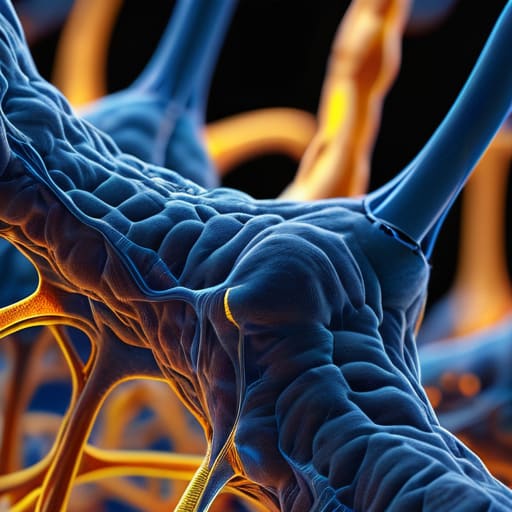
To understand why you feel wired despite being exhausted, you have to look at the biological “bait and switch” happening in your brain. Throughout the day, a chemical called adenosine builds up in your system, acting like a slow-moving pressure gauge that signals your brain it’s time to wind down. When you consume caffeine, it performs a clever bit of molecular trickery known as adenosine receptor blockade. It essentially parks itself in those receptors, physically blocking the sleepiness signals from getting through. You aren’t actually more energetic; you’re just temporarily deaf to your body’s demand for rest.
The real danger lies in the fact that caffeine doesn’t actually eliminate adenosine; it just holds it at bay. While you’re riding that artificial high, the adenosine continues to pile up behind the scenes. Once the stimulant wears off, all that accumulated pressure hits your brain at once, leading to that inevitable, crushing afternoon crash. This cycle is further complicated by the caffeine half-life in your body, which can linger for hours, ensuring that even if you feel “fine,” your brain chemistry is still stuck in a state of chemical illusion.
How Caffeine Half Life in Body Delays True Rest

Here’s the thing about caffeine: it’s a slow burner. You might feel the initial buzz wear off by dinner time, but that doesn’t mean the molecule has actually left your system. Because of the caffeine half-life in body, you could still have a significant amount of stimulant circulating in your bloodstream well after your last sip. If you have a cup of coffee at 4 p.m., roughly half of that caffeine is still hanging around your receptors at 10 p.m. It’s essentially a lingering ghost in your nervous system, preventing you from hitting that deep, restorative state.
This delay creates a massive gap between when you feel awake and when your brain is actually ready to shut down. Even if you manage to drift off, that residual caffeine can cause subtle sleep architecture changes, stripping away the quality of your deep sleep cycles without you even realizing it. You might wake up feeling like you were tossed around in a dryer rather than actually rested. To avoid this, you really need to be mindful of your caffeine consumption window and start tapering off much earlier than you think.
How to Reclaim Your Sleep Without Giving Up the Brew
- Set a “caffeine curfew” by aiming to finish your last cup at least eight to ten hours before you plan to hit the pillow.
- Watch out for the hidden stimulants in sodas and dark chocolates that can sneak into your evening and keep your brain buzzing.
- If you’re feeling that mid-afternoon slump, try a brisk walk or a glass of ice-cold water instead of reaching for another double espresso.
- Don’t fall into the trap of using caffeine to compensate for a bad night’s sleep; it just creates a cycle that’s incredibly hard to break.
- Experiment with tapering your intake or switching to decaf in the late afternoon to see if your sleep quality improves overnight.
The Bottom Line: How to Reclaim Your Sleep
Stop treating caffeine like a magic switch; it doesn’t actually give you energy, it just tricks your brain into ignoring how exhausted you really are.
Respect the math of the half-life—if you want to actually fall asleep, your last cup needs to happen much earlier than your “last craving.”
If you find yourself staring at the ceiling at 2 a.m., stop blaming stress and start looking at that 4 p.m. espresso you thought wouldn’t affect you.
The Biological Lie
“Caffeine doesn’t actually give you energy; it just tricks your brain into thinking it isn’t exhausted, effectively borrowing rest from tomorrow to pay for today.”
Writer
The Bottom Line

At the end of the day, caffeine isn’t necessarily the enemy, but it is a master of deception. It doesn’t actually give you energy; it just tricks your brain into ignoring the exhaustion that’s already there by masking adenosine. When you combine that chemical illusion with a long half-life that keeps the stimulant circulating in your bloodstream long after your last sip, you end up stuck in a cycle of shallow, fragmented rest. Understanding that your afternoon pick-me-up is still working behind the scenes at midnight is the first step toward breaking the cycle of caffeine-induced insomnia.
You don’t have to swear off coffee forever to reclaim your nights. It’s about finding that sweet spot—setting a personal “caffeine curfew” and learning to listen to your body’s actual signals rather than just masking them with another shot of espresso. Sleep isn’t just a luxury or a way to pass the time; it is the foundation of everything you do. When you prioritize deep, restorative rest over a temporary buzz, you aren’t just sleeping better—you’re finally giving yourself the chance to truly wake up.
Frequently Asked Questions
Can I still drink coffee in the afternoon if I'm a fast metabolizer?
Here’s the thing: being a “fast metabolizer” is a bit of a double-edged sword. Sure, your liver might process that caffeine way quicker than your friend’s, meaning you won’t feel that jittery buzz hanging around until midnight. But don’t let that fool you into a false sense of security. Even if you don’t feel wired, the caffeine can still sneak into your brain and hijack your deep sleep cycles. Proceed with caution.
Does decaf actually help, or is there still enough caffeine to mess with my sleep?
The short answer? It’s a massive improvement, but it’s not a magic bullet. Decaf isn’t “zero” caffeine; most brews still pack about 2 to 7 milligrams. For most people, that’s a drop in the bucket. However, if you’re hyper-sensitive or a total caffeine junkie, those tiny amounts can still nudge your nervous system. Think of it as a safety net, not a total pass to drink coffee right before bed.
How much caffeine is "too much" before it starts ruining my sleep quality?
There isn’t a magic number that works for everyone, but for most, hitting that 400mg ceiling—about four mugs of coffee—is where things get dicey. The real danger isn’t just the total amount; it’s your personal sensitivity. If you notice your heart racing or that restless “tired but wired” feeling, you’ve already crossed your personal line. Start tracking your intake and see where your threshold lies before the sleep deprivation kicks in.



