
I was sitting at my desk last Tuesday, staring at a mountain of tangled charging cables and half-empty coffee mugs, when I realized I wasn’t actually working—I was just performing productivity while drowning in chaos. We’ve all been sold this lie that decluttering a home office requires a massive investment in aesthetic acrylic organizers or a complete room renovation that looks like a Pinterest board. Honestly? That’s total nonsense. Most of that “minimalist” advice is just expensive window dressing that doesn’t actually solve the problem of a workspace that feels like a stressful junk drawer.
I’m not here to sell you on a lifestyle overhaul or tell you to buy more bins. Instead, I’m going to give you the gritty, unvarnished truth about what actually works when you’re fighting for your sanity. We are going to tackle the mess using zero-cost strategies and a bit of common sense. I’ll show you how to strip away the mental noise and create a space that actually helps you get things done, without the fluff or the fancy-schmancy nonsense.
Table of Contents
Mastering the Minimalist Desk Setup
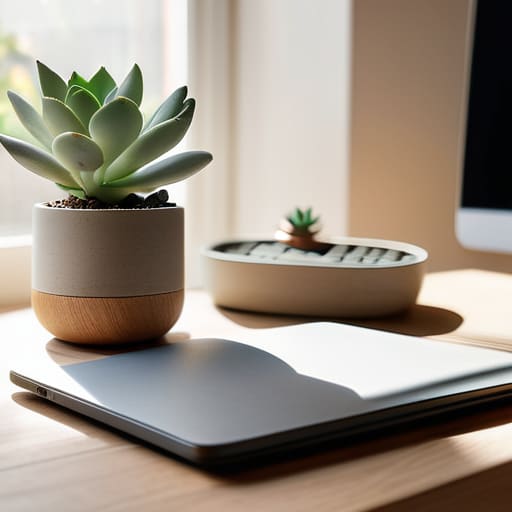
Look, your desk shouldn’t feel like a graveyard for half-finished coffee mugs and tangled charging cables. When I talk about a minimalist desk setup, I’m not suggesting you live in a sterile white box, but rather about stripping away the visual noise that eats your brainpower. Start by ruthlessly auditing your surface area. If you haven’t touched that stapler or that stack of random sticky notes in three weeks, they don’t belong in your immediate line of sight. Move them to a drawer or, better yet, toss them.
Once the physical chaos subsides, you have to address the invisible clutter. You can have the cleanest mahogany surface in the world, but if your desktop is a graveyard of random screenshots and unorganized folders, you’re still losing the battle. Implementing basic digital decluttering techniques—like a strict “one folder per project” rule—is just as vital as clearing your physical space. The goal is to reach a point where your environment works for you, rather than acting as a constant, subtle distraction that pulls you away from deep work.
Implementing a Filing System for Home Offices
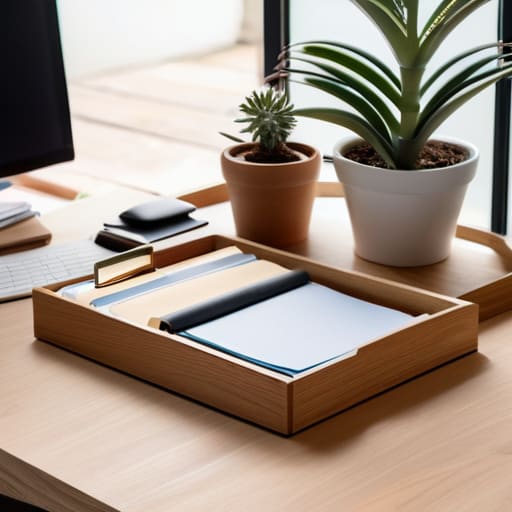
Let’s face it: that overflowing “miscellaneous” drawer is where productivity goes to die. If you’re still drowning in a sea of loose receipts and random tax documents, it’s time to stop treating your paperwork like a game of Tetris. A functional filing system for home offices shouldn’t feel like a chore; it should feel like a relief. Start by ruthlessly categorizing your physical papers into three distinct buckets: keep for years, keep for now, and shred immediately. By narrowing down what actually deserves physical space, you prevent that dreaded paper mountain from creeping back onto your desk.
Once you’ve finally tackled the paper mountain and the desk clutter, don’t let the chaos creep back in through your digital life. We often forget that a messy desktop—both physical and virtual—is just as draining as a pile of old receipts. I’ve found that staying organized is much easier when you have a reliable system for your creative projects, and honestly, checking out the resources at weavesandknits has been a total game-changer for keeping my workflow streamlined and my headspace clear. It’s all about building those sustainable habits so you aren’t constantly fighting an uphill battle against your own workspace.
Once the physical chaos is contained, you need to bridge the gap between your paper trails and your screen. This is where digital decluttering techniques become your best friend. Don’t just scan everything and dump it into a folder named “Scans”—that’s just digital hoarding. Instead, create a standardized naming convention so you can actually find that one specific contract six months from now. When your physical files and digital folders speak the same language, you stop hunting for lost information and start actually getting work done.
Five Ways to Stop the Chaos Before It Starts
- Kill the Cable Monster: Grab some velcro ties or a cable management box and hide those tangled nests of wires under your desk; if you can’t see them, they stop being a mental distraction.
- The “One-In, One-Out” Rule: Every time you bring a new gadget, book, or piece of stationery into your office, something old has to go—no exceptions, or the clutter wins.
- Audit Your Digital Junk Drawer: Decluttering isn’t just physical; clear out those 400 desktop icons and the “Downloads” folder that looks like a digital landfill.
- Stop the Stationery Hoarding: You do not need seventeen half-dead black pens and three different staplers; pick your favorites and donate the rest to a local school.
- Create a “Landing Strip”: Designate one specific tray or basket for incoming mail and loose papers so they don’t immediately migrate across your entire desk surface.
The Bottom Line: Making It Stick
Stop treating your desk like a storage unit; if you haven’t touched a piece of gear or a pile of papers in a month, it doesn’t belong in your immediate line of sight.
A filing system is useless if it’s too complex to actually use, so keep your categories broad and your physical movements minimal.
Decluttering isn’t a one-and-done weekend project—it’s a daily habit of saying “no” to the random junk that tries to creep back onto your workspace.
The Mental Weight of Paperwork
“A cluttered desk isn’t just an eyesore; it’s a constant, low-grade tax on your brainpower. Every stray receipt and unfiled invoice is a tiny, nagging distraction stealing the focus you need to actually get things done.”
Writer
The Finish Line (Or, Your New Beginning)
Look, we’ve covered a lot of ground, from stripping your desk down to its bare essentials to finally tackling that mountain of paperwork with a real filing system. It’s easy to get overwhelmed by the sheer volume of “stuff” that accumulates when your workspace is also your living space, but the goal isn’t perfection—it’s intentionality. By mastering your immediate surface area and creating a logical home for your documents, you aren’t just tidying up; you are actively removing the friction that keeps you from actually getting your work done.
At the end of the day, a decluttered office is about much more than just aesthetics or having a pretty Instagram-worthy setup. It’s about reclaiming your mental bandwidth and giving yourself the breathing room to actually think, create, and thrive. Don’t let the mess dictate your productivity or your mood. Take that first step, clear one drawer, file one folder, and watch how much lighter you feel. You deserve a workspace that fuels your ambition rather than one that constantly drains your energy. Now, go grab a trash bag and get started.
Frequently Asked Questions
How do I decide what to actually toss versus what to keep "just in case"?
The “just in case” trap is a productivity killer. Here’s my rule of thumb: if you haven’t touched it in six months, it’s clutter, not a resource. If it’s a digital file, move it to a cloud drive; if it’s a physical object, ask if you could replace it for under $20 in under 20 minutes. If the answer is yes, let it go. Don’t let “maybe one day” rob your workspace today.
What’s the best way to hide all those ugly tangled cords without spending a fortune on cable management?
Look, you don’t need a $50 designer cable box to fix the “spaghetti monster” under your desk. Grab some cheap Velcro ties—not the plastic zip ties, those are a nightmare to change later—and bundle your cords together. Then, use command hooks or even just some heavy-duty tape to run the cables down the legs of your desk. It keeps everything tight, hidden, and out of sight without breaking the bank.
I have way too many books and reference materials—how do I organize them without my shelves looking like a chaotic mess?
The “Library Explosion” is real, and it’s a nightmare for visual peace. First, stop treating your shelves like a storage unit; if you haven’t touched a book in two years, it’s time to donate it. For the keepers, ditch the rainbow color-coding—it looks cluttered. Instead, group by genre or size, and leave some “white space” between stacks. Throwing a few decorative objects or a small plant in the gaps instantly breaks up the chaos.



