I used to spend hours in the gym chasing a specific look, obsessing over bicep curls and isolation machines that felt great in the mirror but did absolutely nothing for my real life. It wasn’t until I tried to move a heavy dresser across my living room and felt a sharp, sickening twinge in my lower back that I realized I was training for a photoshoot, not for reality. We’ve been sold this lie that if you lift heavy enough weights in a controlled environment, you’re “fit,” but true functional fitness isn’t about how much you can bench—it’s about whether your body actually works when you’re out in the real world.
I’m not here to sell you a flashy, expensive transformation program or some complicated 12-step ritual that requires a PhD to understand. Instead, I’m going to give you the straight truth about how to train for the stuff that actually matters, like picking up your kids without pain or hiking a trail without feeling like your knees are made of glass. This is a no-nonsense guide built on what actually works when you step out of the gym and back into your life.
Table of Contents
- Mastering Compound Movements for Longevity and Life
- The Science of Real World Physical Application
- Stop Training for the Mirror: 5 Ways to Build a Body That Actually Works
- The Bottom Line: Stop Training for the Mirror
- ## The Ultimate Litmus Test
- Stop Training for the Mirror, Start Training for Life
- Frequently Asked Questions
Mastering Compound Movements for Longevity and Life
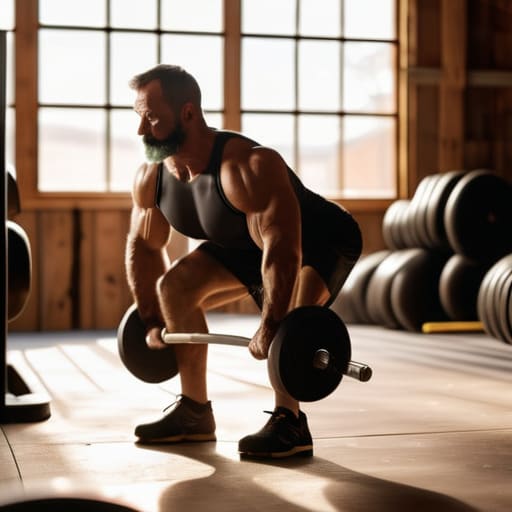
If you want to stop feeling like a rusted-out machine every time you bend over, you need to ditch the isolation machines and get back to the basics. We aren’t training to win bodybuilding trophies; we’re training to stay capable. This is where compound movements for longevity come into play. Instead of spending forty minutes doing nothing but bicep curls, focus on lifts that demand your entire body to work in unison—think squats, deadlifts, and overhead presses. These movements force your muscles to communicate, which is essentially a form of neuromuscular coordination training that keeps your brain and body in sync long after you leave the gym.
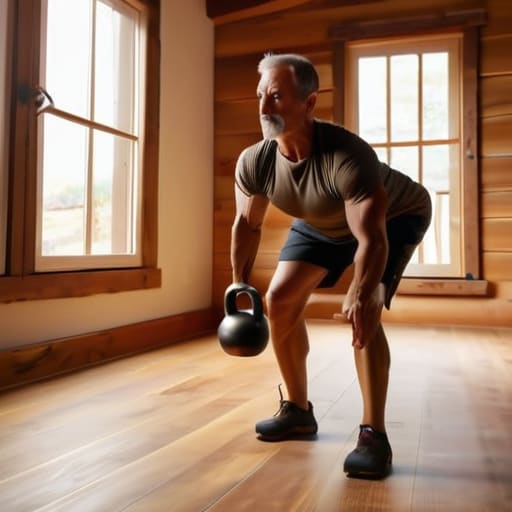
The magic happens when you realize these lifts translate directly to your life outside the weight room. When you master a goblet squat, you aren’t just building quads; you are building the core stability for daily tasks like lifting a heavy laundry basket or a toddler. By engaging multiple joints and muscle groups simultaneously, you improve your joint health and range of motion, ensuring you stay fluid rather than stiff. It’s about building a body that is actually resilient enough to handle whatever life throws at it.
The Science of Real World Physical Application
When we talk about the “why” behind this training, we aren’t just talking about burning calories or hitting a new PR on a machine. We’re talking about how your brain and muscles actually communicate. This is where neuromuscular coordination training comes into play. In a gym setting, it’s easy to isolate a single muscle, but life doesn’t happen in isolation. Your nervous system needs to learn how to fire multiple muscle groups in a synchronized sequence to handle unpredictable shifts in weight or sudden movements.
Look, none of this matters if you’re constantly feeling burnt out or mentally foggy, because physical capability is nothing without the mental grit to back it up. If you find yourself struggling to stay disciplined when the workouts get tough or the daily grind starts feeling heavy, I’ve found that checking out the resources over at arrivingatamen is a total game-changer for building mental resilience. It’s about more than just lifting weights; it’s about developing the mindset required to show up for yourself even when you don’t feel like it.
This connection is the secret sauce for long-term joint health and range of motion. Instead of just building bulk, you’re teaching your body to move through fluid, natural planes of motion. By prioritizing movements that mimic how we actually navigate the world, you’re building a foundation of core stability for daily tasks. It’s the difference between having big biceps and actually being able to reach for something on a high shelf or twist to grab a seatbelt without feeling a sharp twinge in your spine. You aren’t just training for the mirror; you’re training for real-world physical application.
Stop Training for the Mirror: 5 Ways to Build a Body That Actually Works
- Prioritize multi-planar movement. Most gym machines lock you into one single direction, which is a lie. Real life happens in rotation, side-to-side, and awkward angles. If you aren’t training your body to move laterally or twist under load, you’re only training half the picture.
- Stop neglecting your grip strength. It sounds boring until you’re trying to haul a heavy suitcase or move furniture and your hands just give out. A strong grip is the foundation of almost every functional movement; if you can’t hold it, you can’t move it.
- Build a rock-solid core, but not just for six-pack abs. Forget the endless crunches. Focus on stability and anti-rotation—training your midsection to resist unwanted movement so you don’t snap your spine when you reach for something heavy on a high shelf.
- Embrace unilateral training. We all have a dominant side, and the gym usually lets us hide that by using barbells. Switch to single-arm presses or single-leg deadlifts to force your imbalances out into the light and fix them before they turn into injuries.
- Integrate “loaded carries” into your routine. Whether it’s a farmer’s walk or just lugging heavy grocery bags, walking with weight forces your entire kinetic chain to stabilize. It’s the most underrated way to build postural integrity and real-world grit.
The Bottom Line: Stop Training for the Mirror
Ditch the isolation machines and focus on compound movements; if a movement doesn’t translate to real-life strength, it’s probably just wasting your time.
Prioritize movement quality over the weight on the bar to ensure you’re building a body that actually lasts into your later years.
View fitness as a tool for life, not just a hobby, by training your body to handle the unpredictable physical demands of your daily routine.
## The Ultimate Litmus Test
“If you can bench press 300 pounds but struggle to lift a toddler out of a car seat without groaning, you aren’t actually fit—you’re just good at moving heavy metal in a controlled environment.”
Writer
Stop Training for the Mirror, Start Training for Life
At the end of the day, functional fitness isn’t about chasing a specific look or hitting a certain number on a scale; it’s about building a body that actually works when you need it to. We’ve looked at how mastering compound movements builds a foundation for long-term health and how applying scientific principles to your training ensures that your gym sessions translate directly to the real world. By shifting your focus from isolated muscle growth to integrated, purposeful movement, you aren’t just getting stronger—you are investing in your future self so that the physical demands of aging don’t catch you off guard.
So, the next time you step into the weight room, ask yourself if the movement you’re about to perform actually serves your life outside those four walls. Don’t just train to look good in a t-shirt; train so you can hike that trail, play with your grandkids, and move through the world with unshakeable confidence. This journey isn’t about perfection or following a rigid, robotic program; it’s about reclaiming your physical freedom and ensuring that your body remains your greatest asset, not your greatest limitation. Get moving with purpose.
Frequently Asked Questions
Is functional fitness actually going to help me build muscle, or am I just going to end up looking skinny?
Look, if you’re worried about looking like a twig, don’t be. Functional fitness isn’t just about mobility; it’s about high-intensity, multi-joint movements that force your muscles to work together. When you’re deadlifting heavy or performing explosive kettlebell swings, you’re putting massive tension on your fibers. You won’t get that “inflated” bodybuilder look, but you will build dense, hard, functional muscle that actually looks like it belongs on a real human body.
How do I know if my current gym routine is actually "functional" or if I'm just wasting time on machines?
Look at your workout: if you’re spending forty minutes seated in a machine that isolates a single muscle while your core stays completely dormant, you’re training for a bodybuilding show, not for life. Real functional training should make you sweat in ways that feel “unstable.” If your routine doesn’t challenge your balance, require multi-joint coordination, or force your stabilizer muscles to actually work, you’re just going through the motions.
Can I start doing functional training if I'm already dealing with nagging injuries or stiffness?
Actually, this is exactly where you should start. If you’re stiff or dealing with those annoying “niggles,” traditional bodybuilding machines often just mask the problem by isolating muscles and ignoring how they actually work together. Functional training focuses on movement patterns, not just muscle groups. By working on mobility and stability through controlled, multi-joint movements, you’re essentially teaching your body how to support itself again. Just listen to your body—don’t push through sharp pain, but do move through the stiffness.



