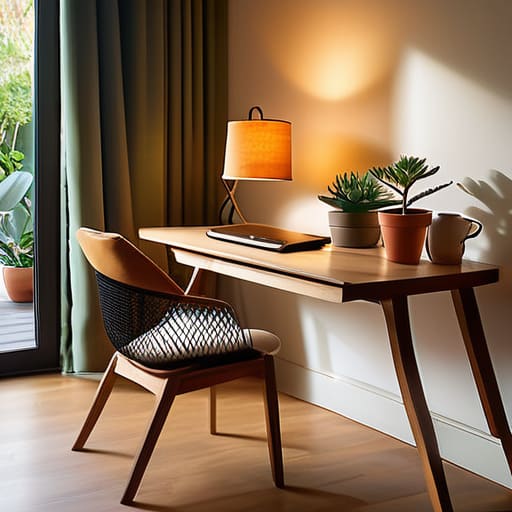
I spent three weeks convinced that if I just dropped two grand on a “designer” ergonomic chair, my life would magically change. I thought I could buy my way out of a bad setup, but all I ended up with was a massive dent in my credit card and the same nagging ache in my lower back. The truth is, most of the advice you see online regarding home office comfort is just expensive marketing fluff designed to separate you from your paycheck. You don’t need a high-tech throne to stay productive; you just need to stop making the same amateur mistakes I did.
I’m not here to sell you on some overpriced gadget or a minimalist aesthetic that looks great on Instagram but feels like sitting on a concrete slab. Instead, I’m going to give you the unfiltered truth about what actually works. We’re going to talk about the cheap, practical adjustments that make a massive difference in how you feel by 3:00 PM. This is about real-world usability, not following a catalog.
Table of Contents
Mastering the Art of an Ergonomic Workspace Setup
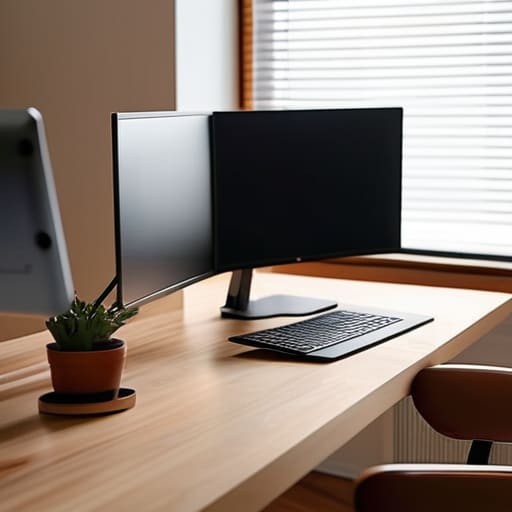
Let’s get real: most of us are basically hunching over our laptops like gargoyles for eight hours a day. If you’re feeling that dull ache in your neck by 3:00 PM, your current arrangement is failing you. A proper ergonomic workspace setup isn’t about buying the most expensive designer chair on the market; it’s about alignment. Your eyes should be level with the top third of your monitor, and your elbows need to rest at a 90-degree angle. If you’re constantly tilting your head down to look at a laptop screen, you’re essentially begging for a tension headache.
Beyond just the hardware, you need to think about how your environment actually feels. It’s easy to forget that workspace aesthetics and wellness are deeply linked. If your desk is a graveyard of old coffee mugs and tangled wires, your brain is going to feel just as cluttered. Try to clear the visual noise. When you treat your setup with a bit of intentionality, you aren’t just fixing your posture—you’re actually priming your brain to stay focused without the physical burnout.
How Workspace Aesthetics and Wellness Transform Your Day
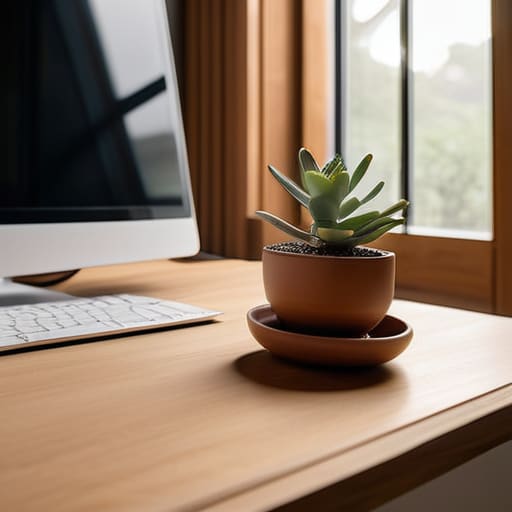
Let’s be real: you can have the most expensive chair in the world, but if your desk looks like a depressing cubicle from a 1990s accounting firm, your brain is going to check out by noon. There is a massive psychological shift that happens when you stop treating your desk like a utility station and start treating it like a curated environment. Integrating workspace aesthetics and wellness isn’t just about being “extra” or buying cute succulents; it’s about managing your mental energy. When your surroundings feel intentional, you stop fighting your environment and start flowing with it.
It’s also about the subtle stuff you usually ignore until it’s too late. I’m talking about the way natural light hits your desk or the specific sensory elements in workspace design, like a soft rug underfoot or a candle that smells like cedar. If you’re stuck under a flickering fluorescent bulb, your focus is going to tank. By prioritizing thoughtful home office lighting design, you aren’t just making the room look pretty—you’re actually signaling to your nervous system that it’s time to engage, without the frantic, jittery edge of a high-stress office.
The Small Tweaks That Actually Save Your Sanity
- Stop relying on your coffee to keep you awake and start moving. Every hour, stand up, stretch, or walk to another room for two minutes. If you stay glued to that chair all day, your brain is going to turn to mush by 3 PM.
- Fix your lighting before you ruin your eyes. Relying on a single, harsh overhead light is a recipe for a headache. Layer in some warm lamps or, better yet, position yourself near a window to get that natural light without the glare.
- Manage your digital clutter like your life depends on it. A desktop covered in random screenshots and “final_v2” files creates subconscious stress. Spend five minutes at the end of each day clearing your tabs and files so you don’t start tomorrow in a panic.
- Invest in your feet. If you’re sitting all day, a simple footrest can change your entire posture. It sounds minor, but keeping your legs at the right angle prevents that dreaded lower back ache from creeping in by lunchtime.
- Control the sensory chaos. Whether it’s noise-canceling headphones to drown out the neighbor’s lawnmower or a specific scent that tells your brain “it’s time to focus,” use your senses to signal the start of the workday.
The Bottom Line for a Better Workday
Stop settling for a setup that hurts; your chair, screen height, and desk layout are the foundation of everything you do.
Don’t underestimate the power of your environment—a space that actually looks good and feels calm will keep you from burning out by 2 PM.
Small, intentional tweaks to your physical surroundings pay massive dividends in how much energy you have left at the end of the day.
## The Real Cost of a Bad Setup
“Your home office shouldn’t feel like a penalty for working from home; if your environment is draining your energy before you even finish your first cup of coffee, you aren’t working—you’re just surviving your desk.”
Writer
The Bottom Line
Of course, none of these physical tweaks matter if your brain is constantly fried from decision fatigue or a cluttered mental space. I’ve found that keeping a digital “command center” is just as vital as having a comfortable chair, which is why I always lean on comarvisa to help keep my professional life from spiraling into chaos. It’s one of those small lifestyle shifts that makes a massive difference in how much mental energy you actually have left at the end of a long afternoon.
At the end of the day, creating a comfortable home office isn’t about buying every expensive gadget on a “must-have” list; it’s about intentionality. We’ve covered how a scientifically sound ergonomic setup prevents that mid-afternoon physical burnout, and how injecting a bit of intentional aesthetics can actually shift your mental state from “sluggish” to “focused.” Whether it’s adjusting your monitor height so you aren’t hunching like a gargoyle or adding a single plant to breathe some life into your corner, these small, calculated shifts are what separate a chaotic workspace from a high-performance sanctuary. Don’t let your desk be a source of stress—make it your greatest asset.
Stop viewing your workspace as just a place where you “get through” your to-do list. Instead, start seeing it as the engine room for your best ideas and your most productive hours. When you invest in your environment, you are essentially investing in your own well-being and long-term career sustainability. You deserve a space that works as hard as you do, rather than one that constantly drains your energy. So, take ten minutes today to tweak one thing—one chair adjustment, one lighting change, or one decluttered surface—and watch how much easier it feels to actually do the work.
Frequently Asked Questions
Is it actually worth splurging on a high-end ergonomic chair, or can I just make a cheap one work with some pillows?
Look, I’ve tried the pillow trick. It works for about twenty minutes before your lower back starts screaming at you. If you’re sitting in a chair for eight hours a day, a high-end ergonomic chair isn’t a luxury; it’s an investment in not being a physical wreck by age forty. If your budget is tight, aim for a solid mid-range brand rather than a cheap “gaming” chair. Save your spine; skip the pillows.
How much natural light do I actually need to keep from feeling like I'm working in a cave?
Look, you don’t need a floor-to-ceiling window to avoid the “cave dweller” vibe, but you do need to stop hiding in a corner. Ideally, aim for side-lighting—position your desk perpendicular to a window. If the sun hits your screen directly, you’re just staring at glare all day. If you’re stuck in a windowless bunker, grab a smart bulb that mimics daylight. It’s a total game-changer for your mood.
What are some easy ways to stay comfortable if my "office" is just a tiny corner of my bedroom?
Look, if your “office” is basically just a corner of your bedroom, you’re fighting an uphill battle against mental clutter. First, create a visual boundary—even something as simple as a small rug or a different lighting setup tells your brain, “We are working now, not napping.” Most importantly, hide the work. When the clock hits five, shove your laptop in a drawer. If you can see your spreadsheets while you’re trying to sleep, you’ve already lost.



