
I don’t know who needs to hear this, but you don’t need a $500 minimalist organizing system or a professional consultant to fix your life. Honestly, the idea that decluttering the bedroom requires a complete lifestyle overhaul and a mountain of expensive wicker baskets is absolute nonsense. Most of those “aesthetic” organization influencers are just selling you more stuff to manage, which is the exact opposite of what you actually need. If your room feels like a chaotic junk drawer, the solution isn’t a new set of matching acrylic bins; it’s about getting real with the piles of clothes and random gadgets you haven’t touched in three years.
I’m not here to give you a lecture or a list of impossible perfectionist standards. Instead, I’m going to share the messy, trial-and-error methods that actually worked when I was drowning in my own stuff. I promise to give you nothing but straight-talk, actionable advice based on what actually sticks in the real world. We aren’t aiming for a showroom; we’re aiming for a space where you can actually breathe again.
Table of Contents
Mastering Minimalist Bedroom Design for Mental Clarity
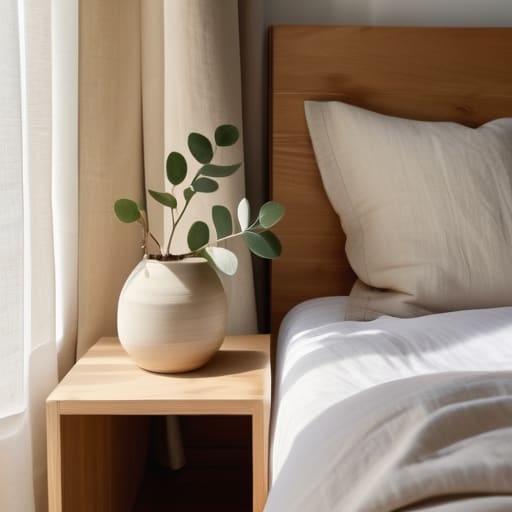
If you find yourself staring at a pile of clothes or a nightstand overflowing with random gadgets, don’t feel like you have to tackle the whole room in one frantic afternoon. Sometimes, the best way to stay on track is to lean on a bit of outside inspiration to see how others are actually making these spaces work in real life. I’ve been spending a lot of time lately browsing through themodernreport, and their take on curating a functional space has been a total game-changer for my own organizing habits. It’s less about following rigid rules and more about finding those small, clever tweaks that make a room feel intentional rather than just empty.
When we talk about minimalist bedroom design, it’s easy to get caught up in the aesthetic—the crisp white linens and the empty surfaces that look great on Pinterest. But true minimalism isn’t about living in a sterile white box; it’s about removing the visual noise that keeps your brain running on high alert. Every stray charging cable, stack of unread books, or half-empty water glass acts as a tiny psychological “to-do” list. By focusing on creating a calm sleeping environment, you aren’t just tidying up; you’re actually giving your nervous system permission to shut down.
The trick is to be intentional with what stays within arm’s reach. Start small by focusing on your decluttering nightstand essentials—if it doesn’t help you sleep or provide immediate comfort, it doesn’t belong on that surface. Once the bedside is clear, look toward your larger storage areas. Implementing smarter bedroom storage solutions ensures that your belongings have a dedicated “home,” preventing that slow creep of chaos that eventually makes your sanctuary feel more like a staging area for your life.
Reducing Bedroom Clutter for Better Sleep Tonight
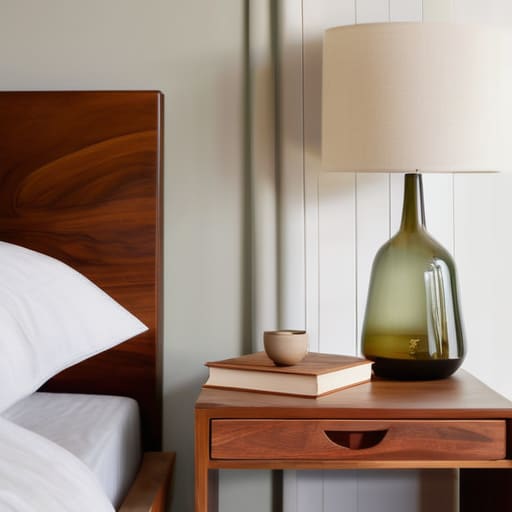
If you’re staring at the ceiling at 2 AM, your environment might be the silent culprit. It’s hard to drift off when your brain is subconsciously processing the pile of laundry on the chair or the mountain of books encroaching on your personal space. Reducing bedroom clutter for better sleep isn’t just about aesthetics; it’s about lowering your cortisol levels. When your eyes land on chaos, your mind stays in “task mode.” To fix this, start with the surfaces closest to your head.
Focus on decluttering nightstand essentials first. If your bedside table is covered in charging cables, half-empty water glasses, and random receipts, you’re creating visual noise that prevents deep relaxation. Clear everything away except for the absolute necessities—perhaps a lamp, a book, and a glass of water. If you need more room, look into clever bedroom storage solutions like small under-bed bins or slim drawers. By clearing the immediate vicinity of your bed, you aren’t just tidying up; you’re actively creating a calm sleeping environment that signals to your nervous system that it is finally safe to power down.
Quick Wins to Reclaim Your Space
- Audit your nightstand. If you haven’t touched that half-empty water bottle, that stack of old receipts, or that random charging cable in three days, move them. Your bedside table should be for essentials only—think a book, a lamp, and maybe some hand cream.
- The “One-In, One-Out” rule for your closet. If you’re bringing home a new cozy sweater, an old one has to go. This stops that slow, creeping pile of “maybe I’ll wear this someday” clothes from taking over your floor space.
- Stop the “Chair” phenomenon. We all have it—that one chair in the corner that has become a graveyard for discarded clothes. Either hang them up or actually put them in the laundry. If it’s on the chair, it’s clutter.
- Clear the surfaces. Flat surfaces like dressers and vanities are clutter magnets. Try to keep at least 50% of that surface area empty. It creates immediate visual breathing room and makes the whole room feel less chaotic.
- Tackle the “Under-Bed” abyss. If you’re using the space under your bed for storage, make sure it’s in actual, organized bins. If it’s just a collection of loose items in plastic bags, you aren’t storing things—you’re just hiding trash.
The Bottom Line: Making Space for Rest
Stop treating your bedroom like a catch-all storage unit; if it doesn’t help you sleep or relax, it doesn’t belong near your bed.
Visual noise is real—the fewer “things” your eyes have to process when you lie down, the faster your brain can actually shut off.
Decluttering isn’t a one-time chore, it’s about setting a standard for your sanctuary so you don’t wake up feeling overwhelmed every single morning.
## The Weight of the Unseen
“We often think we’re just tripping over old clothes or stacks of books, but when you clear the physical chaos from your bedroom, you’re actually clearing the mental noise that keeps you awake at night.”
Writer
The Final Shift

At the end of the day, decluttering your bedroom isn’t just about tossing old clothes into a donation bin or organizing your nightstand; it’s about curating your environment to support the person you want to be. We’ve looked at how minimalist design can clear your mental fog and how stripping away the physical chaos can directly improve the quality of your sleep. Whether you’re tackling a massive closet overhaul or just clearing off that one “junk chair” in the corner, every small win contributes to a sanctuary that actually serves you rather than draining your energy.
Remember, this isn’t a one-time chore to check off a list, but a continuous practice of choosing peace over chaos. Your bedroom should be the one place in the world where the noise of life finally stops, a space that feels like a deep exhale the moment you walk through the door. Don’t get discouraged if things get messy again—life happens. Just keep coming back to the intention of creating a space that honors your rest. You deserve a room that feels less like a storage unit and more like a home.
Frequently Asked Questions
How do I decide what to keep when everything in my closet feels like a "maybe"?
The “maybe” pile is the ultimate clutter trap. If you’re stuck, stop asking “Can I wear this?” and start asking “Does this actually fit my life right now?” If it’s a “maybe,” it’s usually a “no” in disguise. Try the Hanger Hack: turn all your hangers backward. When you wear something, flip it around. After a month, those lingering “maybes” that haven’t been touched? They’re just taking up mental space. Let them go.
What do I do with all the stuff I declutter so it doesn't just end up in a junk drawer elsewhere?
The “junk drawer shuffle” is the ultimate decluttering trap. To stop it, you need a strict exit strategy. Don’t just move things to a different room; move them out of your life. Use the “One-Touch Rule”: once something is in a donation bag or a sale pile, it goes straight to your car trunk. If it doesn’t have a specific home in your new minimalist setup, it’s officially gone. No exceptions.
How can I keep the bedroom tidy once I've actually finished the initial deep clean?
The secret isn’t a massive weekend overhaul; it’s about winning the tiny daily battles. Make the “one-touch rule” your new best friend: if you pick something up, put it where it actually belongs, not just on the nearest flat surface. Also, try the “reset” method—spend five minutes every night before bed clearing your nightstand and folding that stray throw blanket. It keeps the chaos from snowballing into a disaster.



