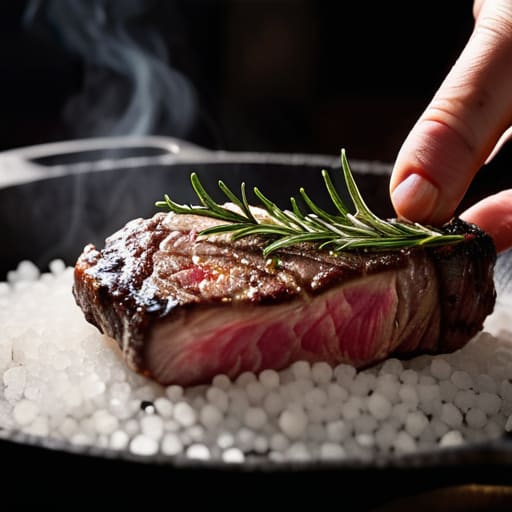
I still remember standing in my grandmother’s kitchen, watching her toss a handful of coarse salt into a simmering pot with the kind of casual confidence that felt like magic. I spent years thinking I needed a $200 spice kit and a degree in culinary science to make food taste good, but I was dead wrong. Most of the “expert” advice floating around the internet is just a way to sell you expensive, pre-mixed powders that do nothing but mask mediocre ingredients. Real flavor doesn’t come from a fancy label; it comes from mastering the basic seasoning techniques that actually respect the food you’re cooking.
I’m not here to give you a lecture or a list of ingredients you can’t find at a local grocery store. Instead, I’m going to pull back the curtain on how to actually build flavor from the ground up using nothing but intuition and a few pantry staples. We’re going to cut through the fluff and focus on the practical, hands-on methods that turn a bland, uninspired meal into something worth writing home about. This is about confidence in the kitchen, not perfection on a plate.
Table of Contents
Enhancing Natural Flavors Through Precise Timing
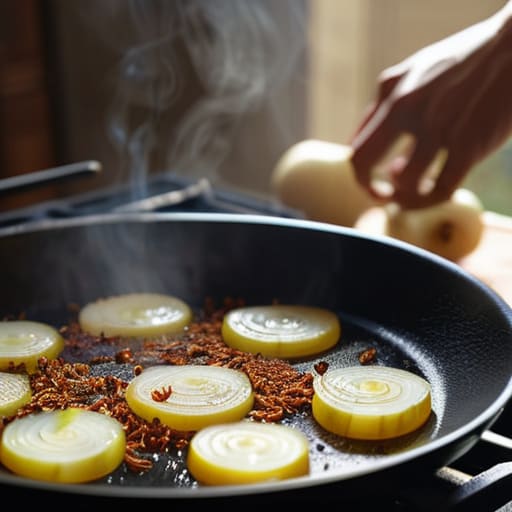
Timing is everything. If you dump all your spices into the pan the second the oil gets hot, you aren’t building flavor—you’re just burning them. Most people make the mistake of treating seasoning like a final step, but true mastery comes from layering spices in cooking throughout the entire process. You want to start with the aromatics, letting that onion and garlic soften into the fat, and then introduce your heavier spices to bloom in the heat. This creates a foundation that supports the ingredients rather than just sitting on top of them.
The logic changes depending on what’s hitting the pan, too. There is a massive difference between seasoning meat vs vegetables when it comes to moisture. For a steak, you want that salt working its way into the fibers early to help retain juices, whereas vegetables often need a lighter touch right before they hit the heat to avoid turning them into a salty mush. It’s all about respecting the ingredient’s lifecycle. If you time your salt and acids correctly, you aren’t masking the food; you’re actually pulling the hidden essence out of it.
When to Salt Food for Maximum Impact
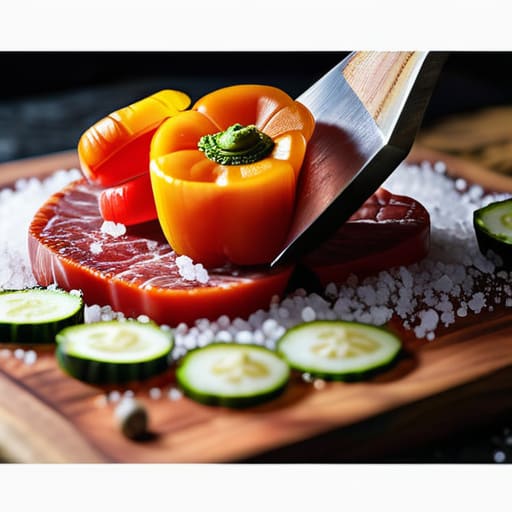
If you’re waiting until the very end to throw salt on your dish, you’re missing the point. Salt isn’t just a finishing touch; it’s a tool for building depth. When you’re seasoning meat vs vegetables, the timing changes everything. For a steak, you want to salt it well in advance so the crystals can penetrate the muscle fibers, rather than just sitting on the surface like sand. With vegetables, a quick toss in salt right before they hit the pan helps draw out excess moisture, ensuring you get a golden sear instead of a soggy mess.
Think of it as a process of layering flavors throughout the entire cook. If you’re making a slow-simmered stew, salt it early to build those heavy umami flavor profiles from the bottom up. If you wait until the end, you’ll only achieve surface-level saltiness. By integrating salt at different stages, you aren’t just making things “salty”—you are actually unlocking the hidden potential of every single ingredient in the pot.
Five Rules to Stop Seasoning Like a Robot
- Stop seasoning from a distance like you’re performing a magic trick; get your hands close to the pan so you can actually see the distribution and catch those tiny clumps before they ruin a bite.
- Learn to taste your food at every single stage, not just at the end, because a sauce that tastes perfect at the finish line might have been missing a crucial hit of acid twenty minutes ago.
- Build layers instead of one big explosion—start with salt early to build a foundation, then hit it with a finishing salt right before serving to get that hit of texture and brightness.
- Respect the “acid pivot”—if your dish tastes flat but you’ve already added enough salt, don’t reach for the shaker, reach for the lemon juice or vinegar to wake everything up.
- Treat your spices like fresh produce, not dusty relics; if your dried herbs smell like nothing, they won’t do anything for your food, so toss them and grab something that actually has some life left in it.
The Cheat Sheet for Better Flavor
Stop treating salt like an afterthought; start treating it like an ingredient that needs time to work its magic deep into the fibers of your food.
Timing is everything—salt early to build layers of flavor, but keep a little extra on standby to brighten things up right before you serve.
Trust your palate over the recipe; if the dish feels “flat,” it usually doesn’t need more heat, it needs a tactical hit of salt or acid to wake it up.
## The Soul of the Pan
“Seasoning isn’t a final step you check off a list; it’s a continuous conversation between you and the heat. If you wait until the dish is finished to start tasting, you’ve already missed the point.”
Writer
The Final Pinch
If you’re starting to feel more confident with your seasoning timing, the next logical step is refining your workspace so you aren’t constantly scrambling for tools mid-cook. I’ve found that having a properly organized kitchen setup makes all the difference when you’re trying to execute these techniques without breaking your flow. If you’re looking to elevate your culinary environment, checking out the aesthetic and functional inspiration over at belladesign is a great way to find ideas for a more streamlined kitchen layout that actually works for a serious home cook.
At the end of the day, mastering seasoning isn’t about following a rigid chemistry textbook; it’s about developing an intuitive sense of when to step in. We’ve covered how timing is everything—knowing when to layer your salt to penetrate deep into the protein versus when to hit it at the very end for that essential crunch. Remember that seasoning is a constant, evolving process. You shouldn’t just dump everything in at the start and hope for the best. Instead, treat it as a continuous dialogue between you and the ingredients, adjusting your levels as the flavors develop and the textures change.
Don’t let the fear of overdoing it paralyze you in the kitchen. The most important tool you have isn’t a high-end spice rack or a professional-grade scale; it is your own palate. Taste everything. Taste your sauce at the beginning, halfway through, and right before it hits the plate. There is a certain kind of magic that happens when you finally hit that perfect equilibrium where nothing tastes “salty,” but everything tastes unbelievably vibrant. So, grab your salt cellar, trust your instincts, and start playing with the flavors. You can’t truly learn to cook until you start making mistakes and learning how to fix them.
Frequently Asked Questions
How do I know if I've over-salted something and how can I actually fix it without starting over?
If you take a bite and your tongue immediately recoils from a sharp, stinging saltiness, you’ve crossed the line. Don’t panic—you don’t have to toss the whole pan. If it’s a soup or sauce, drown the salt by adding unsalted broth, cream, or a splash of acid like lemon juice to cut through the heaviness. For solids, try adding more unseasoned starch, like potatoes, to soak up the excess.
Is there a real difference between using Kosher salt and fine table salt when I'm seasoning?
There is a massive difference, and it’s all about control. Table salt is tiny and aggressive; it dissolves instantly, making it way too easy to accidentally over-salt a dish. Kosher salt, however, has larger, irregular flakes that stay on the surface longer. This gives you a tactile sense of exactly how much you’re adding. It lets you “feel” the seasoning, which is the secret to getting that perfect, even distribution without the salt bombs.
Can I use pre-mixed spice blends, or will that mess up the balance of my dish?
Look, there’s no crime in using a pre-mixed blend, but you have to treat it like a teammate, not a dictator. The biggest trap is the salt content—most store-bought mixes are secretly loaded with sodium. If you dump a whole tablespoon of a pre-made rub into a pan and then keep adding salt because it “tastes flat,” you’re going to end up with a salt bomb. Use them for convenience, but taste as you go.



