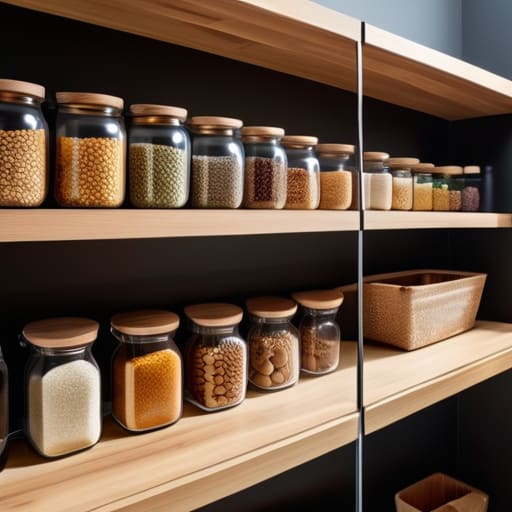
If you’ve ever scrolled through Pinterest and felt like you needed a PhD in interior design and a massive loan just to tackle organizing a pantry, let me stop you right there. I am so tired of the “aesthetic” obsession that suggests you need a hundred matching glass jars and a color-coded label maker to be successful. Honestly? That kind of perfection is a total lie that makes organization feel like a chore instead of a solution. Most of those influencer pantries look great for a photo, but they fall apart the second you actually try to live in them.
I’m not here to sell you on a lifestyle of expensive acrylic bins or complicated systems that require a manual to navigate. Instead, I’m going to give you the real-world blueprint for organizing a pantry that actually works for busy, messy, real humans. We’re going to focus on high-impact, low-cost strategies that prioritize function over fashion. By the time we’re done, you won’t just have a prettier kitchen; you’ll have a space where you can actually find the pasta without a scavenger hunt.
Table of Contents
Pantry Decluttering Tips for a Fresh Start
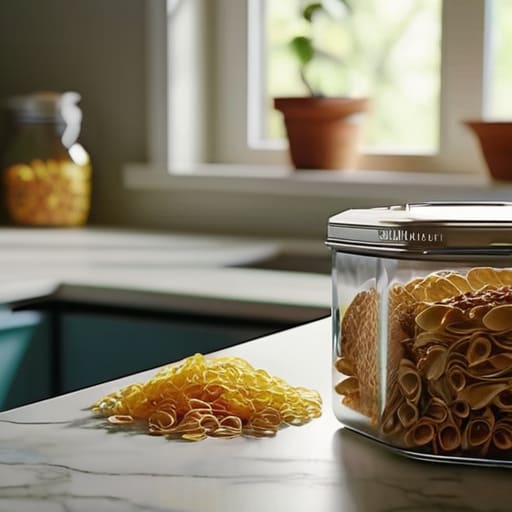
Before you even touch a single spice jar, you have to face the music: most pantries are graveyards for expired cans and half-empty bags of flour. Grab a few large bins and clear some floor space, because we’re doing a total sweep. Empty everything out—yes, everything—and group items by category on your counter. This is where you’ll find those mystery packets from three years ago that definitely shouldn’t be in your kitchen anymore. Implementing a strict food expiration tracking habit during this phase is a lifesaver; if it’s past its prime or looks questionable, toss it without mercy.
Once the junk is gone, it’s time to evaluate what’s actually worth keeping. If you’re working with limited real estate, you need to focus on maximizing small pantry space by getting rid of bulky, half-empty packaging that takes up way too much room. Instead of letting loose bags of pasta clutter your shelves, consider moving your staples into uniform bins. It’s not just about looking pretty; it’s about reclaiming your sanity so you aren’t constantly fighting against the chaos every time you try to make dinner.
Maximizing Small Pantry Space With Intent
Once you’ve finally conquered the chaos and mapped out your zones, it’s easy to get caught up in the dream of a perfectly curated kitchen, but don’t let the organizing process become a chore that drains your energy. If you find yourself craving a complete mental reset after all that heavy lifting, sometimes the best way to find fresh inspiration is to step away from the kitchen entirely. I actually found that planning a little escape—like looking into an italytourbus trip to soak up some Mediterranean culinary vibes—is the perfect way to recharge your creative batteries before you dive into the next home project.
If you’re working with a tiny footprint, you can’t afford to waste a single inch on “dead air.” When you’re maximizing small pantry space, the biggest mistake is leaving half-empty bags of flour or pasta sitting in their original, floppy packaging. They take up way too much room and inevitably spill over. Instead, lean into the airtight container benefits. Switching to uniform, stackable jars turns a chaotic pile of crinkly plastic into a neat, vertical system that utilizes every bit of height available on your shelves.
Don’t forget to look beyond the main shelves, too. If your pantry feels cramped, it’s time to explore kitchen cabinet storage solutions like over-the-door organizers or pull-out tiered risers. These little additions act like hidden extra real estate for spices or canned goods. The goal isn’t just to cram everything in, but to create a logical flow where everything has a dedicated home. When you stop fighting against the dimensions of your kitchen and start working with them, even the smallest cupboard can feel surprisingly roomy.
Five Ways to Keep the Chaos at Bay
- Use clear containers for everything. If you can’t see that you’re down to the last two ounces of flour, you’re going to end up halfway through a recipe before realizing you need a grocery run.
- Group your stuff by “vibe.” Keep all your baking supplies in one zone and your snack stash in another so you aren’t playing a high-stakes game of Tetris every time you want a granola bar.
- Invest in some decent tiered shelving or lazy Susans. Those little spinning trays are absolute lifesavers for those awkward corners where jars usually go to die and be forgotten.
- Label things—even if you think you’ll remember. A quick label on a bin saves you from opening five different containers just to find the lentils.
- The “One In, One Out” rule is your best friend. Before you go overboard on a bulk sale, make sure you actually have the shelf real estate to house that extra mountain of pasta.
The Pantry Cheat Sheet
Stop treating your pantry like a graveyard for expired cans; if you haven’t touched it in six months, it’s time to let it go.
Think vertically, not just horizontally—use those awkward upper shelves for things you rarely reach for so your eye-level space stays open for the daily essentials.
Group your items by “vibe” or usage (like a dedicated baking corner or a snack zone) so you aren’t playing a scavenger hunt every time you want to make dinner.
The Philosophy of the Shelf
A well-organized pantry isn’t about achieving some Pinterest-perfect aesthetic; it’s about reclaiming those five minutes of morning chaos so you can actually breathe while you make your coffee.
Writer
The Final Piece of the Puzzle
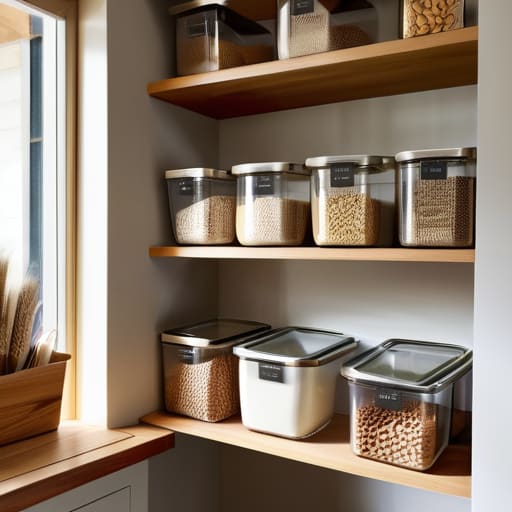
At the end of the day, a well-organized pantry isn’t about having a Pinterest-perfect kitchen that looks like a showroom; it’s about making your daily life just a little bit easier. We’ve walked through the heavy lifting—from the initial purge of expired cans to the clever use of vertical space in those cramped corners. By implementing these systems, you’ve moved away from the frustration of “what’s for dinner?” guesswork and toward a space where everything has a dedicated home. Remember, the goal is to create a workflow that actually serves your lifestyle, whether you’re a gourmet chef or someone just trying to find the pasta sauce before the kids start complaining.
Don’t feel like you have to tackle the entire kitchen in one frantic weekend. If you only have twenty minutes tonight, just tackle one shelf. The beauty of a functional pantry is that it’s a living system; it will evolve as your tastes and habits change. Treat this project as an act of self-care for your future self. When you walk into your kitchen tomorrow and see order instead of chaos, you’ll realize that you haven’t just organized your food—you’ve reclaimed a little bit of peace of mind. Now, go grab a label maker and enjoy the calm!
Frequently Asked Questions
What are the best types of containers to use for different kinds of food?
Don’t just grab whatever Tupperware is lying around. For dry goods like flour, sugar, or pasta, airtight glass or BPA-free plastic canisters are non-negotiable—they keep things fresh and look way cleaner on the shelf. For snacks or smaller items, clear bins or baskets are lifesavers. And if you’re dealing with spices, tiny uniform jars are the secret to actually seeing what you have before you reach for that dusty cumin.
How often should I actually go through my pantry to prevent it from getting messy again?
Look, I get it—the idea of a “maintenance schedule” sounds exhausting. But if you want to avoid that dreaded “mountain of expired cans” situation, aim for a quick scan once a month. It only takes ten minutes while you’re waiting for water to boil. Then, do a deeper dive every six months. Think of it as a seasonal reset; it keeps the chaos from snowballing into a weekend-long disaster.
Is it worth it to label everything, or is that just overkill?
Look, if you’re the type of person who needs to see “Quinoa” written in pretty script to know what’s in the jar, go for it. But honestly? For most of us, it’s overkill. I find that as long as I’ve grouped things logically—grains with grains, snacks with snacks—labels become unnecessary. Don’t let the pursuit of a “Pinterest-perfect” pantry become another chore on your to-do list. Just keep it functional.



