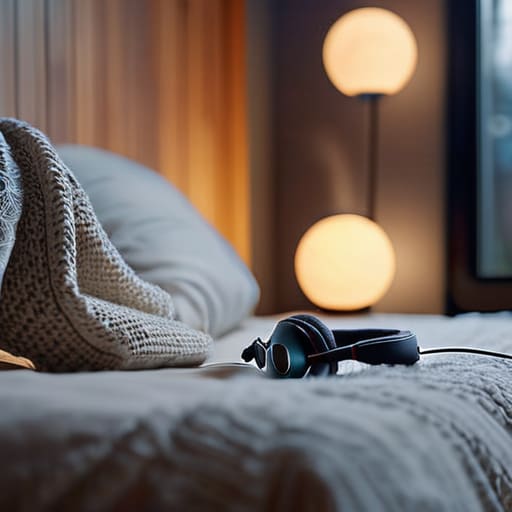
It’s 3:00 AM, your brain is running a marathon you never signed up for, and you’re staring at the ceiling wondering why everything feels so loud. You’ve tried the expensive weighted blankets, the white noise machines that sound like a dying jet engine, and those “mindfulness” apps that just end up making you feel more guilty about not being zen. Honestly, I used to think it was all just internet nonsense until I finally gave in to listening to calming ASMR on a night when I was absolutely hitting a wall. It wasn’t some magical, life-altering epiphany, but for the first time in weeks, the mental static actually quieted down enough for me to drift off.
Look, I’m not here to sell you on some mystical healing journey or tell you that a few whispers will fix your entire life. I’m just going to give it to you straight: what actually works, what’s a total waste of time, and how to find the specific triggers that stop your brain from spiraling. This is all about real-world results and finding that specific frequency that actually helps you shut down and rest.
Table of Contents
Decoding Tingle Sensations and Brain Response
So, what is actually happening when those chills run down your spine? It’s not just magic; there’s some pretty wild science behind the tingle sensations and brain response we experience. When you hear a specific trigger—like a soft whisper or the rhythmic tapping of fingernails—your brain essentially throws a tiny party. It triggers a release of dopamine and oxytocin, those “feel-good” chemicals that tell your nervous system it’s finally safe to power down. It’s less about the sound itself and more about how your brain interprets that specific frequency as a signal to drop your guard.
A lot of people ask me if this is just a fancy version of white noise, but there’s a massive difference. While white noise is great for drowning out a noisy neighbor, it’s a constant, static wall of sound. ASMR is much more intentional and spatial. Using binaural audio sleep aid techniques, creators can mimic how we hear in real life, making it feel like someone is actually right next to you. That sense of proximity is what transforms a simple sound into a deep, physical relaxation response that actually hits the reset button on your stress levels.
Unlocking Real Autonomous Sensory Meridian Response Benefits

So, what’s the actual payoff here? Beyond just feeling a weirdly pleasant fuzziness in your scalp, the real autonomous sensory meridian response benefits go way deeper than just a temporary chill. For me, it’s about that mental reset button. When my thoughts are racing at a hundred miles an hour, certain sounds act like an anchor, pulling me out of a spiral and forcing my nervous system to actually downshift. It’s not just about the tingles; it’s about that profound sense of emotional regulation that hits when you finally find the right trigger.
If you’re finding that your brain just won’t shut off despite all the triggers, sometimes you need more than just audio to actually reset your nervous system. I’ve found that pairing my favorite soundscapes with a change of scenery—even just a mental one—makes a massive difference in how deeply I actually drift off. Lately, I’ve been looking into the peaceful vibes over at rockawayinn when I need that extra sense of total tranquility, and it honestly helps ground me in a way that a simple pair of headphones alone sometimes can’t.
I also get asked a lot about the difference between white noise vs asmr for sleep. While steady static is great for drowning out a loud neighbor, ASMR feels more intentional. It’s the difference between a blank wall and a guided meditation; the subtle, rhythmic patterns give your brain something soothing to latch onto without being overstimulating. Instead of just masking the silence, you’re actively reducing anxiety with auditory triggers that mimic human connection and safety, which is a total game-changer for anyone struggling to shut their brain off at night.
How to Actually Get the Most Out of Your ASMR Sessions
- Grab some decent headphones. Seriously, you can’t get that immersive, brain-melting spatial audio if you’re just blasting it through crappy phone speakers.
- Find your specific “trigger” flavor. Some people live for whispering, while others need the aggressive sound of tapping or page turning to actually feel anything.
- Don’t force it. If a video isn’t hitting the spot, turn it off. ASMR is about relaxation, not feeling guilty because you aren’t getting tingles from a specific creator.
- Set the mood. Dim the lights, get under a heavy blanket, and put your phone on ‘Do Not Disturb’ so a random notification doesn’t kill the vibe mid-tingle.
- Experiment with different speeds. Sometimes you need slow, methodical movements to wind down, but other times, fast and erratic sounds are exactly what your brain needs to reset.
The TL;DR on why ASMR actually works
It’s not just “weird noises”—the tingles are a real physiological response that can actually help dial down your stress levels.
Everyone’s triggers are different, so don’t get discouraged if whispering doesn’t work; you might need tapping or visual triggers instead.
Think of ASMR as a tool for your mental toolkit rather than a cure-all; use it to quiet the brain chatter when you need to reset.
## The Mental Reset
“It’s not just about the weird little tingles; it’s about that split second where the constant, buzzing noise in my head finally just… stops.”
Writer
The Final Verdict
At the end of the day, ASMR isn’t just some weird internet trend or a collection of strange noises; it’s a legitimate tool for reclaiming your peace in a world that never seems to shut up. We’ve looked at how those tiny tingles actually rewire your brain’s response to stress and how tapping into that sensory feedback can practically force your nervous system to chill out. Whether you’re using it to crush insomnia or just to drown out the mental chatter after a long day, the science is pretty clear: finding your specific triggers is the secret sauce to making this work for you.
So, my advice? Stop overthinking it. You don’t need a fancy setup or a reason to justify why you enjoy the sound of someone whispering or tapping on a wooden box. If it helps you breathe a little easier and sleep a little deeper, then it’s doing its job. Don’t be afraid to experiment with different creators and sounds until you find that perfect frequency that hits just right. Life is loud enough as it is—give yourself permission to just plug in, tune out, and finally let your brain rest.
Frequently Asked Questions
Is it weird that I don't get the tingles with every video?
Not weird at all. Honestly, I’ve had days where I can watch a top-tier trigger video and feel absolutely nothing. ASMR isn’t a magic switch; it’s super subjective. Your brain might be too wired, you could be tired, or maybe that specific creator’s voice just doesn’t hit your frequency. Don’t force it—if the tingles aren’t coming, just pivot to something else or take a break. It’s not a failure, it’s just how your nervous system works.
Do I actually need expensive headphones to make this work?
Look, I get it—you see these influencers with massive, studio-grade setups and think you need to drop a paycheck just to get some tingles. Honestly? You don’t. While high-end headphones definitely sharpen the spatial audio, a decent pair of earbuds you already own will get the job done. Just make sure they’re comfortable enough to wear while you’re drifting off. Don’t let gear anxiety stop you from relaxing.
Can listening to ASMR too much mess with my actual sleep schedule?
Here’s the thing: it’s a double-edged sword. If you use ASMR to wind down, it’s a lifesaver. But if you’re staying up until 3 AM scrolling through endless “unboxing” or “tapping” videos, you’re basically training your brain to stay wired. You can definitely end up in a loop where you need the tingles just to feel sleepy, which can totally wreck your natural rhythm. Use it as a tool, not a crutch.



