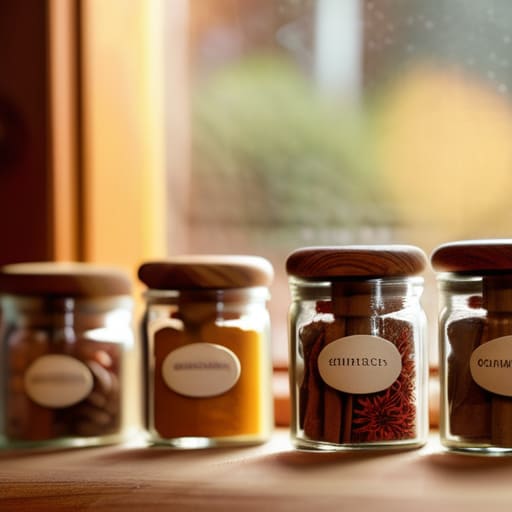
I was standing in my kitchen last Tuesday, staring at a dusty, overpriced jar of “Artisanal Pumpkin Spice Blend” that cost twelve dollars and smelled more like cardboard than anything remotely seasonal. It’s the same old story: every year, big-box retailers try to convince us that a perfect autumn spice cabinet requires a collection of expensive, pre-mixed powders that lose their punch before the first frost even hits. Honestly, it’s a total scam. You don’t need a boutique budget to capture that cozy, nostalgic feeling; you just need to know which real, raw ingredients actually do the heavy lifting.
I’m not here to sell you on a lifestyle aesthetic or a mountain of unnecessary clutter. Instead, I’m going to show you how to build a functional, high-impact autumn spice cabinet using nothing but the essentials that actually pack a punch. We’re going to skip the hype and focus on the real deal—the specific ratios and single-origin spices that will make your kitchen smell like a dream without breaking the bank.
Table of Contents
Mastering Warm Seasonal Spices for Deep Comfort
If you find yourself staring at a cluttered pantry and feeling a little overwhelmed by all the options, don’t sweat it. Sometimes the best way to get organized is to look at how others are curating their own collections to find inspiration. I actually stumbled upon some incredible deep dives and practical guides over at snarksreview that helped me figure out exactly which premium blends were worth the shelf space and which ones I could skip. It’s a total game-changer when you want to build a spice kit that actually works for your lifestyle without the guesswork.
When we talk about deep comfort, we aren’t just talking about a recipe; we’re talking about that specific, heavy warmth that settles in your chest when you take the first bite of something seasonal. To really nail those seasonal flavor profiles, you have to look beyond the basic grocery store shaker. It’s about layering. Start with the heavy hitters like cloves and star anise to create a base that feels grounded, then brighten things up with a touch of cardamom. When you balance these correctly, you aren’t just cooking; you’re creating an atmosphere.
If you want to move from “standard” to “spectacular,” my best advice is to ditch the pre-mixed stuff and lean into homemade pumpkin pie spice. There is a massive difference between the dusty tins at the supermarket and a blend you’ve ground yourself from whole sticks of cinnamon and fresh nutmeg. This approach allows you to control the intensity, ensuring your kitchen is filled with aromatic autumn pantry staples that smell like a high-end bakery rather than a generic candle. It’s a small ritual, but it makes every bake feel intentional.
Unlocking Seasonal Flavor Profiles Through Aromatic Staples
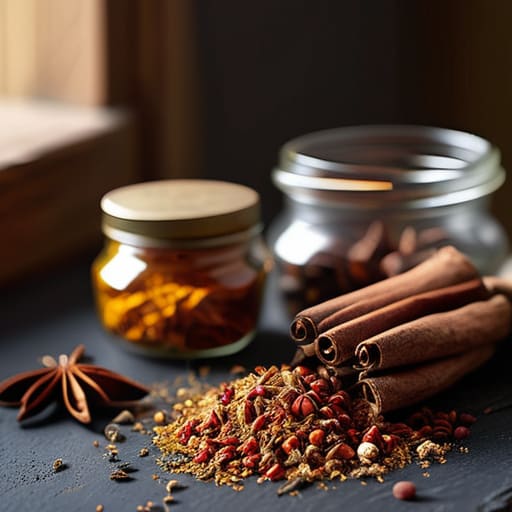
While the heavy hitters like cinnamon and nutmeg provide the foundation, the real magic happens when you start playing with the subtle, supporting players. To truly master seasonal flavor profiles, you need to look beyond the obvious. Think about the earthy depth of ground cloves or the slight, woody bite of freshly grated ginger. These aren’t just additives; they are the bridge between a recipe that tastes “okay” and one that feels like a warm hug. When you layer these aromatic autumn pantry staples thoughtfully, you create a complexity that makes people stop mid-bite to wonder what your secret ingredient is.
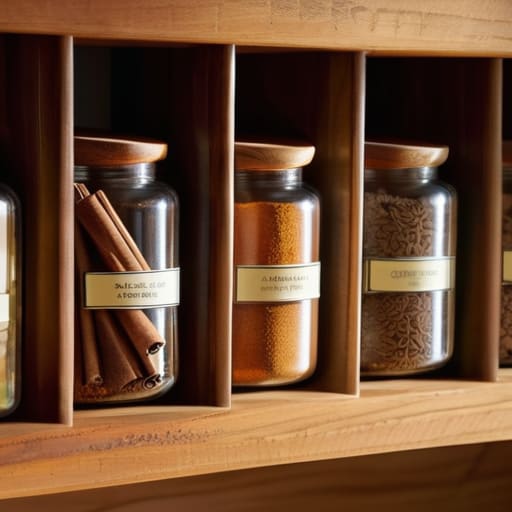
Once you’ve mastered the art of the blend, the next step is making sure those flavors are actually accessible when the craving hits. There is nothing more frustrating than digging through a cluttered drawer for that one specific jar of cardamom mid-recipe. This is where smart spice jar organization ideas become a lifesaver. By grouping your blends by usage—keeping your baking spices in one zone and your savory infusions in another—you turn your kitchen from a chaotic workspace into a streamlined sanctuary of flavor.
Pro Tips for a Spice Cabinet That Actually Works
- Don’t go overboard with the bulk bins; buy your seasonal spices in smaller quantities to ensure that cinnamon and clove actually taste punchy, not dusty and old.
- Invest in airtight glass jars instead of those flimsy plastic grocery store containers—it’s the easiest way to keep those delicate aromatic oils from evaporating into nothing.
- Keep your “heavy hitters” like nutmeg and cardamom on a separate little tray or a dedicated tier so you aren’t digging through dried oregano just to find your fall essentials.
- Give your spices a quick “sniff test” every time the leaves start to turn; if that star anise doesn’t hit you with a sharp, sweet scent immediately, it’s time to toss it.
- Store your collection away from the direct heat of the oven; a spice cabinet sitting right next to a hot stove is basically a recipe for flavor suicide.
The Autumn Spice Cheat Sheet
Don’t just cook with spices; use them to build layers of warmth by pairing heavy hitters like cinnamon with subtle, aromatic staples.
A well-curated autumn cabinet isn’t about buying every jar on the shelf—it’s about selecting versatile spices that transform basic comfort foods into seasonal experiences.
Think of your spice collection as a toolkit for coziness, where the right blend of heat and sweetness can instantly change the mood of your kitchen.
The Soul of the Season
“An autumn spice cabinet isn’t just a collection of jars; it’s a sensory time machine. One scent of toasted cardamom or ground clove, and suddenly, the air feels heavier, the light feels softer, and your kitchen becomes the warm, beating heart of the home.”
Writer
Bringing the Warmth Home
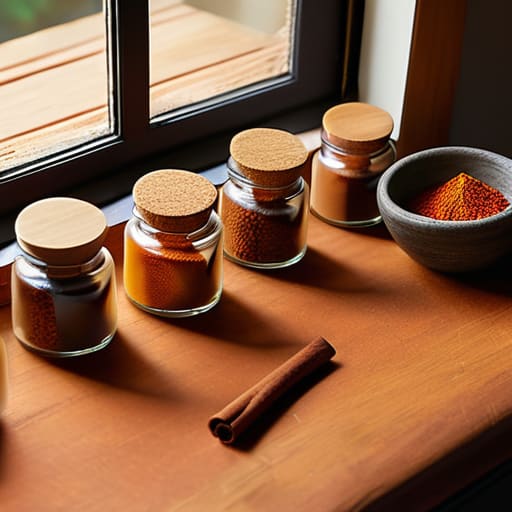
At the end of the day, building your autumn spice cabinet isn’t just about stocking up on pantry essentials; it’s about creating a sensory toolkit for the season. We’ve explored how to balance those heavy, deep comfort spices like cinnamon and clove with the bright, aromatic staples that keep your seasonal dishes from feeling too one-note. By intentionally layering these flavors, you move beyond simple recipes and start mastering the actual art of seasonal cooking. Remember, a well-curated collection means you’re always just a pinch away from turning a mundane Tuesday night dinner into a true autumnal feast.
As the leaves turn and the air gets that familiar crispness, let your kitchen become your sanctuary. Don’t be afraid to experiment, to spill a little extra nutmeg into your morning oats, or to find that perfectly imperfect blend that feels uniquely yours. Cooking is one of the most intimate ways we celebrate the passing of time and the changing of the light. So, go ahead—open those jars, breathe in the scent of nutmeg and ginger, and let the magic of autumn begin right on your stovetop.
Frequently Asked Questions
How do I know if my spices have lost their punch and need to be replaced?
The easiest way to tell? Give them a sniff. If that vibrant, nose-tingling aroma has faded into something dull or dusty, they’re done. You can also try the “rub test”—grind a tiny bit between your fingers. If it doesn’t release a burst of fragrance or a punchy flavor, it’s lost its soul. Don’t settle for lackluster cooking; if your spices feel lifeless, it’s time to clear the cabinet and start fresh.
What are some easy ways to store these spices so they stay fresh all season?
Keep them away from the heat and the steam—your spice rack sitting right above a boiling stove is a death sentence for flavor. Instead, tuck your jars in a cool, dark pantry or even a dedicated spice drawer. And please, ditch those flimsy plastic bags; airtight glass jars are your best friend here. They lock in those volatile oils that make autumn baking so magical, ensuring your nutmeg actually smells like nutmeg.
Can I use these autumn spices in savory dishes, or are they strictly for sweets?
Oh, absolutely! Please don’t box them into the dessert category. That’s actually where the real magic happens. A pinch of cinnamon or nutmeg in a roasted butternut squash puree adds a layer of warmth that feels incredibly sophisticated. Even a little clove or allspice tucked into a braised short rib or a hearty chili can transform a heavy meal into something soulful. Think of them as “secret weapons” for your savory repertoire.



