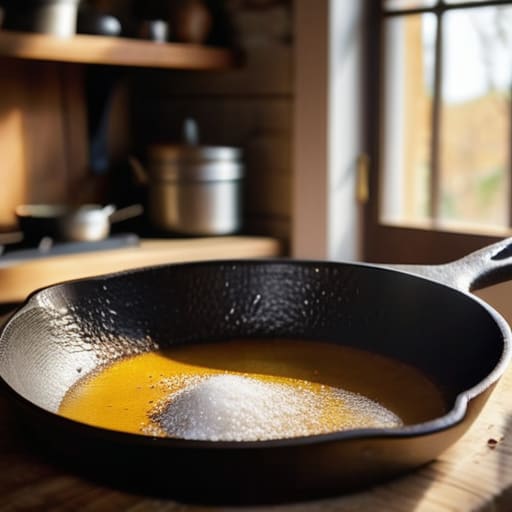
I still remember the first time I tried to follow one of those “professional” guides for skillet seasoning, only to end up with a sticky, gummy mess that looked more like burnt glue than a non-stick surface. I spent three hours hovering over a stove, following a ridiculous checklist of proprietary oils and temperature charts, all for nothing. It turns out, most of the high-end advice out there is just unnecessary noise designed to make a simple process feel like rocket science. You don’t need a chemistry degree or a collection of expensive specialty oils to get that perfect, jet-black finish; you just need to stop overthinking it.
Look, I’m not here to sell you on some magical, multi-step ritual that requires a laboratory. My goal is to cut through the nonsense and give you the straight-up truth about how to build and maintain a patina that actually lasts. I’m going to share the exact, battle-tested methods I’ve used in my own kitchen to ensure your skillet seasoning stays flawless without the headache. We’re going to keep this simple, effective, and entirely practical so you can get back to the actual cooking.
Table of Contents
The Magic of Polymerization of Cooking Oils
So, what’s actually happening when you bake that oil in a hot oven? It isn’t just about making the pan greasy; it’s about a chemical transformation called the polymerization of cooking oils. When you apply heat to certain fats, the liquid molecules undergo a structural change, linking together into long, incredibly tough chains. This process essentially turns the liquid oil into a solid, plastic-like film that bonds directly to the metal.
If you’re feeling a bit overwhelmed by the sheer variety of oils and temperatures required to get that perfect finish, don’t sweat it—it’s a learning curve for everyone. I actually found a ton of clarity by digging into the deeper technical guides over at generaldirective, which helped me understand exactly when to push the heat and when to back off. Honestly, having a reliable roadmap like that makes the whole process feel less like guesswork and more like mastering a craft.
This microscopic layer is what creates that coveted non-stick cast iron surface we all obsess over. Instead of food grabbing onto the microscopic pores of the iron, it glides over this hardened barrier. It’s a beautiful bit of kitchen science that turns a piece of raw metal into a high-performance tool. If you get this right, you aren’t just coating the pan; you are actually building a protective shield that makes every subsequent meal even better.
Achieving a Flawless Non Stick Cast Iron Surface
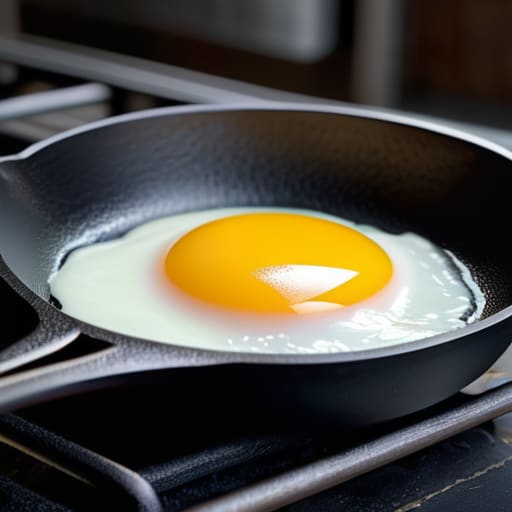
Getting that perfect, glass-smooth finish isn’t about luck; it’s about patience and temperature control. To build a truly reliable non-stick cast iron surface, you have to treat the heat like a tool rather than a setting. If you rush the process by cranking the burner to high, you’ll end up with a sticky, gummy mess instead of a hard protective layer. Instead, aim for a steady, medium heat that allows the oil to bond deeply with the metal pores. This slow-and-steady approach is what separates a mediocre pan from one that feels like silk every time you slide an egg across it.
Consistency is your best friend here. I’ve found that applying incredibly thin, almost invisible layers of oil is far more effective than trying to drench the metal. Think of it as building a foundation rather than painting a wall. As you repeat this cycle, you aren’t just adding grease; you are reinforcing the structural integrity of the finish. This layered buildup is the secret to preventing rust on pans while simultaneously creating that coveted, dark patina that only gets better with age.
Pro-Tips for Keeping That Patina Perfect
- Forget the soap debate—if you’ve got a bit of stuck-on food, a quick scrub with a chainmail scrubber and hot water is your best friend. You don’t need to strip the whole pan just because a little sauce bubbled over.
- Thin layers are everything. When you’re oiling the pan, wipe it on and then wipe it right back off until it looks almost dry. If you leave it too thick, you’ll end up with a sticky, gummy mess instead of a smooth surface.
- Heat is your secret weapon. Don’t just let the oil sit there; get that skillet nice and hot in the oven to drive the seasoning deep into the metal pores. That’s how you turn a layer of oil into a permanent shield.
- Stick to the high-smoke point heavy hitters. Save the fancy extra virgin olive oil for your salads and keep the grapeseed, canola, or avocado oil for the skillet. You want an oil that can take the heat without breaking down prematurely.
- Cook more, worry less. The absolute best way to season a pan isn’t a special cleaning ritual—it’s actually using it. Frying bacon or searing a steak builds that layer of carbon naturally every single time you turn on the stove.
The Bottom Line on Your Skillet
Think of seasoning as a living layer, not a one-time fix; it’s the result of heat and oil working together to create that hard, slick surface we all crave.
Consistency is your best friend—small, regular maintenance is way more effective than trying to fix a neglected, rusty pan from scratch.
Stop fearing the oil. A thin, even coat is the secret to building a patina that actually lasts instead of leaving your pan feeling gummy and gross.
## The Soul of the Pan
“A seasoned skillet isn’t just a piece of cookware; it’s a living history of every meal you’ve ever loved, etched in layers of carbon and oil.”
Writer
The Long Game with Your Cast Iron
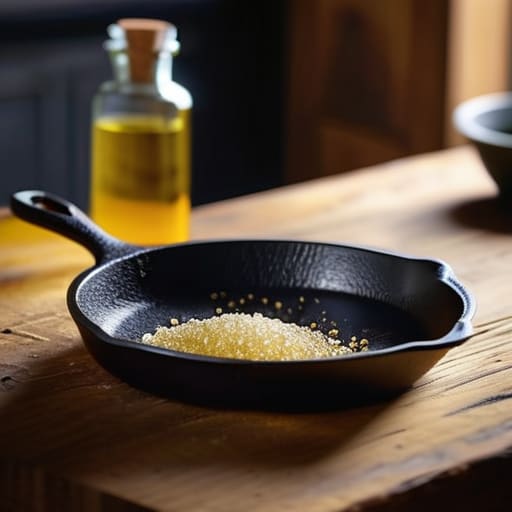
At the end of the day, seasoning your skillet isn’t some complicated chemistry experiment you need to fear; it’s just about understanding how oil and heat work together to build that protective layer. We’ve talked about how polymerization turns liquid oil into a solid, durable shield and the specific steps required to get that surface looking smooth and non-stick. It’s a process of patience, moving from those initial thin layers of oil to that deep, dark, velvety patina that every home cook dreams of. Just remember: keep it clean, keep it dry, and never let it soak in the sink.
There is something deeply satisfying about watching a piece of heavy, black metal evolve over months and years of heavy use. Your skillet is one of the few things in your kitchen that actually gets better the more you use it, turning every burnt-on bit of flavor into a part of its history. Don’t get discouraged if your first few attempts aren’t perfect; seasoning is a marathon, not a sprint. Treat your pan with a little respect, and it will reward you with a lifetime of perfectly seared steaks and flawless, effortless cooking.
Frequently Asked Questions
Is it actually okay to use soap to clean my skillet, or will that instantly strip away all my hard work?
Look, I get it. We’ve all heard the horror stories about soap destroying a perfectly good seasoning, but let’s set the record straight: you’re fine. A little mild dish soap won’t undo weeks of hard work. The old rule about soap was mostly because modern detergents were incredibly harsh, but today’s stuff is much gentler. Just avoid soaking it in the sink or using steel wool, and your patina will stay perfectly intact.
What should I do if I see spots of rust starting to peek through my seasoning?
Don’t panic—this isn’t a death sentence for your pan. If you spot those tiny orange flecks, it’s just a sign that your seasoning is thinning or getting damp. Scrub those spots away immediately with some coarse salt and a bit of elbow grease. Once it’s clean and bone-dry, hit it with a thin layer of oil and pop it in a hot oven for a quick “mini-seasoning” to seal it back up.
Can I use any random oil from my pantry, or do I really need to hunt down specific high-smoke-point oils?
Look, I get the temptation to just grab whatever’s sitting in the pantry, but please—don’t reach for the extra virgin olive oil. It’ll smoke, burn, and leave your skillet smelling like a charred mess. You want oils that can actually stand the heat, like grapeseed, avocado, or even plain old canola. Think of it this way: if you wouldn’t sear a steak in it, don’t use it to season your pan.



