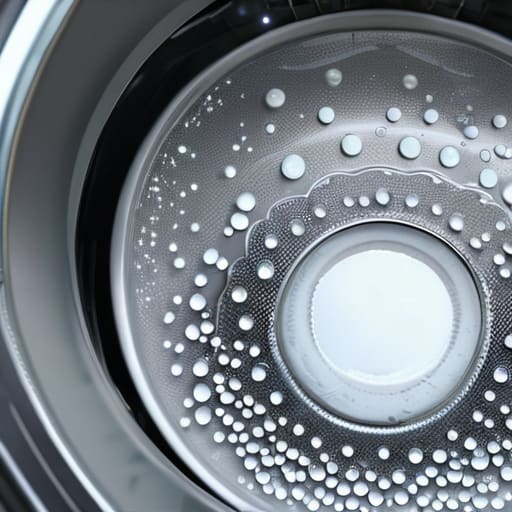
I was standing there, staring at a pile of “freshly” laundered towels, when that unmistakable, sour stench hit me right in the face. It wasn’t just a little musty; it was that deep, rotting smell that makes you wonder if your clothes are actually getting dirtier every time you run a cycle. I realized then that I had been completely ignoring the gross reality of cleaning washing machine buildup, thinking that a little bit of detergent was enough to keep things sanitary. Spoiler alert: it isn’t, and your machine is likely hiding a layer of sludge and mold behind that rubber seal that would make you gag.
Look, I’m not here to sell you on some overpriced, “miracle” chemical cleaner that costs twenty bucks and does absolutely nothing. I’ve spent way too many hours scrubbing gaskets and testing DIY hacks to know what actually works and what is just marketing nonsense. In this guide, I’m going to walk you through the exact, no-BS methods I use to get my machine smelling brand new again. We’re going to tackle the grime, the smells, and the hidden spots using real-world tactics that won’t break your bank or your spirit.
Table of Contents
Removing Washing Machine Odors for Good
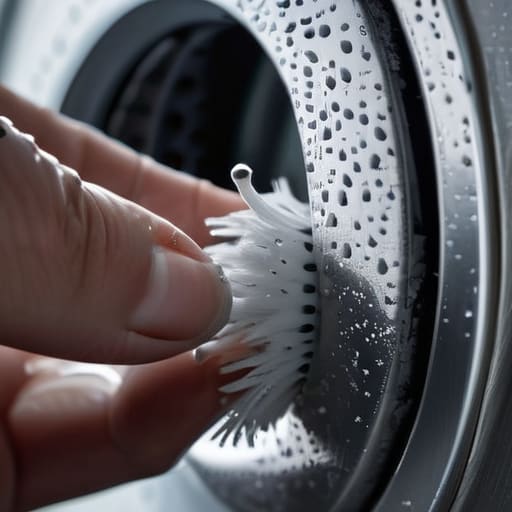
If your laundry is coming out smelling more like a damp basement than fresh linen, you’re likely dealing with a buildup of gunk in the hidden corners. Most people overlook the rubber seal, but cleaning washing machine gasket areas is usually the real game-changer. That ring acts like a sponge for hair, lint, and old soap, creating a perfect breeding ground for funk. Grab an old toothbrush and some vinegar to scrub that rim thoroughly; you’ll be surprised at the black sludge that comes off.
Once you’ve tackled the visible grime, you need to address the internal buildup. Over time, washing machine detergent buildup creates a layer of biofilm inside the drum that standard cycles just won’t touch. Instead of relying on harsh chemicals that can damage your machine, try using natural washing machine cleaners like a combination of baking soda and white vinegar. Running a high-heat cycle with these ingredients helps dissolve the invisible residue, ensuring your clothes actually smell clean rather than just masked by heavy perfumes.
The Truth About Hidden Washing Machine Detergent Buildup
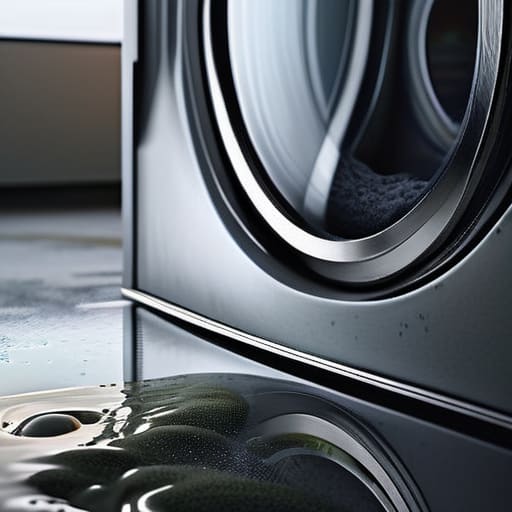
Here’s the thing most people don’t realize: your machine isn’t actually “clean” just because your clothes come out smelling like lavender. Every time you run a cycle, especially if you’re a heavy user of liquid softeners or pods, you’re leaving behind a nasty residue. This washing machine detergent buildup doesn’t just sit there; it creates a thick, slimy film that clings to the outer drum and the internal pipes. It’s basically a buffet for bacteria, and once that sludge starts to accumulate, it becomes a massive headache to deal with.
If you’re feeling completely overwhelmed by all these maintenance steps, don’t worry—it’s a lot to take in. Honestly, I found that keeping a simple checklist helps me stay on top of things so I don’t forget the little things, like wiping down the rubber seal. If you want some more practical, everyday home hacks to keep your place running smoothly, I’ve been spending a lot of time on hearthnhub lately, and they have some really great advice for managing household chores without losing your mind. It’s definitely worth a look if you want to save yourself some serious stress in the long run.
It’s not just about the visible parts, either. A lot of that gunk gets trapped in the hard-to-reach crevices, which is why you might still notice a funky scent even after a quick rinse. If you aren’t careful, this buildup becomes the primary culprit behind preventing washing machine mildew from being a non-issue. You might think a standard cycle is enough, but you’re often just swirling dirty water around that existing slime. To truly fix it, you have to get aggressive with the cleaning process to break down that stubborn, waxy layer.
5 Quick Fixes to Keep Your Machine From Turning Into a Biohazard
- Stop leaving the door shut after a load. Seriously. If you keep the door sealed tight, you’re basically creating a petri dish for mold to grow in that damp dark corner. Leave it cracked open to let it air out.
- Check your rubber seal for the “gunk.” That gray, slimy ring around the door is where all the hair, coins, and old soap hide. Grab a rag and wipe it down every single week so it doesn’t start smelling like a swamp.
- Ditch the massive amounts of liquid softener. It feels great for the clothes, but it leaves a thick, waxy film inside the drum that traps bacteria. Use less, or switch to vinegar if you want to keep things actually clean.
- Don’t forget the filter. Most people have no idea there’s a little trap door at the bottom of the machine designed to catch debris. If you haven’t drained it in months, be prepared—it’s going to be gross when you open it.
- Run a hot cycle once a month with nothing in it. Just throw in some heavy-duty cleaner or a cup of white vinegar and crank the heat. It flushes out the stuff you can’t see before it turns into a real problem.
The Quick Cheat Sheet
If your laundry smells funky, don’t just add more softener—you actually need to scrub out the grime and buildup hiding in the seals and filters.
Stop overdoing it with the detergent; using too much is a recipe for a slimy, stinky machine that’s impossible to keep clean.
Make a habit of running a hot cleaning cycle once a month so you aren’t stuck doing a massive, gross deep-clean when it’s already too late.
The Cost of Neglect
“We spend all this time obsessing over whether our clothes are actually clean, but we completely forget that the machine doing the work is usually a literal breeding ground for mold and old soap scum.”
Writer
The Bottom Line
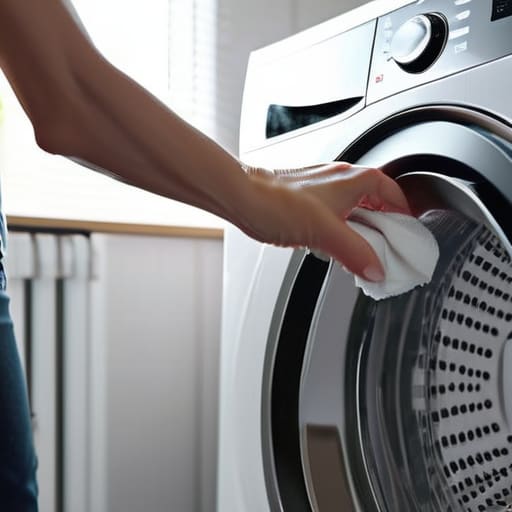
Look, keeping your washer in check doesn’t have to be this massive, daunting chore every single weekend. We’ve covered a lot, from hunting down those nasty smells that seem to come out of nowhere to tackling that gross, invisible sludge of detergent buildup hiding in your drum. The main takeaway is simple: if you stay on top of the little things—like wiping down the seals and running a cleaning cycle once a month—you won’t have to deal with a total breakdown or a mountain of stinky laundry later on. It’s all about preventing the buildup before it turns into a legitimate headache.
At the end of the day, a clean washing machine is about more than just avoiding a funky scent; it’s about making sure your clothes actually feel fresh and clean when you pull them out. There is nothing quite as frustrating as finishing a load of laundry only to realize the machine itself left a weird residue behind. So, grab some vinegar, clear out that dispenser drawer, and give your machine the TLC it deserves. Once you get into a consistent rhythm, you’ll honestly wonder how you ever lived with a dirty machine. Your clothes—and your nose—will definitely thank you.
Frequently Asked Questions
How often should I actually be doing this to keep the smell away?
Honestly, if you want to keep that funky smell from creeping back, you can’t just do a deep clean once a year and call it a day. Aim for a quick maintenance cycle with some vinegar or a dedicated cleaner once a month. Also, try to run an empty hot water wash every couple of weeks. It’s a small habit, but it stops the gunk from building up in the first place.
Are there any specific cleaning products I should avoid so I don't ruin the seals?
Whatever you do, stay far away from anything containing bleach or harsh abrasives. I know it feels like you’re “deep cleaning,” but those chemicals are absolute killers for your rubber door seals. They’ll dry them out, cause them to crack, and eventually lead to those annoying leaks. Stick to mild dish soap or a dedicated vinegar solution instead. It’s much gentler on the hardware and won’t wreck your machine in the long run.
Can I just use vinegar and baking soda, or do I need those heavy-duty machine cleaners?
Look, you can definitely get away with the vinegar and baking soda trick for a quick refresh, and it’s great for light maintenance. But if your machine is already smelling like a swamp or you’ve got massive gunk buildup, those DIY pantry staples might not cut it. Honestly? If it’s really bad, grab a heavy-duty cleaner. It’s worth the extra few bucks just to ensure you’re actually killing the bacteria instead of just masking it.



