I still remember sitting in my aunt’s kitchen, watching her throw a handful of dried herbs and a massive pinch of salt into a pot like she was casting a spell. I was twelve, clutching a “gourmet” cookbook that told me I needed a precise milligram of saffron and a specialized spice rack to achieve flavor. It felt like a lie. Most of the culinary world tries to make seasoning food feel like a high-stakes chemistry experiment, but that’s just a way to sell you expensive gadgets you don’t need. The truth is, if your food tastes like nothing, you don’t need a degree in molecular gastronomy; you just need to stop being afraid of the salt shaker.
I’m not here to give you a list of fifty obscure spices you’ll use exactly once before they expire in the back of your pantry. Instead, I’m going to show you the actual, gritty mechanics of how to build flavor from the ground up. We’re going to talk about the balance of salt, acid, and heat using real-world intuition rather than rigid formulas. By the time we’re done, you won’t be following recipes like a robot—you’ll be cooking with confidence.
Table of Contents
Mastering Essential Pantry Spices and Aromatic Herb Usage
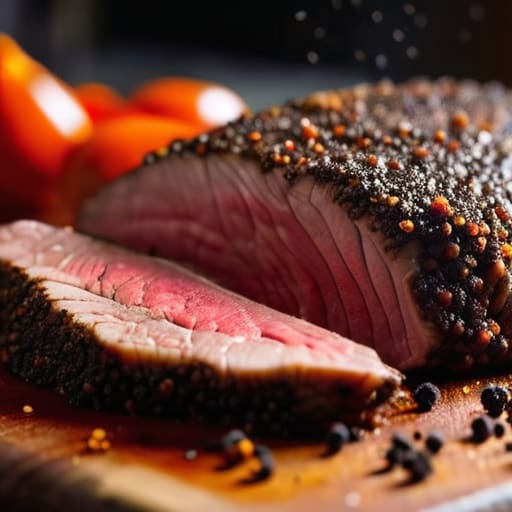
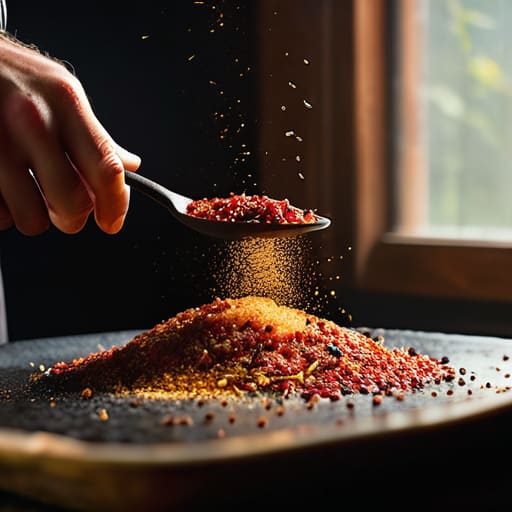
You don’t need a massive, expensive spice rack to make something taste professional; you just need to know how to use what you already have. Start by building a foundation with essential pantry spices like smoked paprika, cumin, and garlic powder. These are your workhorses. If you’re working with meats, don’t just sprinkle them on at the end—learn some basic dry rub techniques to build a crust that actually holds onto the heat. A good rub isn’t just about salt; it’s about creating layers of flavor that penetrate the surface.
Once you have the base, it’s time to level up with aromatic herb usage. Fresh herbs like basil or cilantro should almost always go in at the very end to keep their brightness, whereas dried herbs like oregano or thyme need time to bloom in the heat. If a dish feels “flat” even after you’ve added salt, you’re likely missing a hit of acidity or a boost from some umami flavor enhancers like soy sauce or nutritional yeast. It’s all about that delicate dance of balancing acidity and salt to make the flavors pop.
The Secret to Enhancing Culinary Flavors Through Salt
If you think salt is just for making things salty, you’re missing the entire point. Salt isn’t a flavor itself; it’s a volume knob for everything else in your pan. When you use it correctly, you aren’t just adding sodium; you are enhancing culinary flavors by unlocking the hidden potential of your ingredients. A pinch of salt in a tomato sauce doesn’t make it taste like the ocean—it makes the tomatoes taste more like… well, tomatoes. It bridges the gap between “edible” and “unforgettable.”
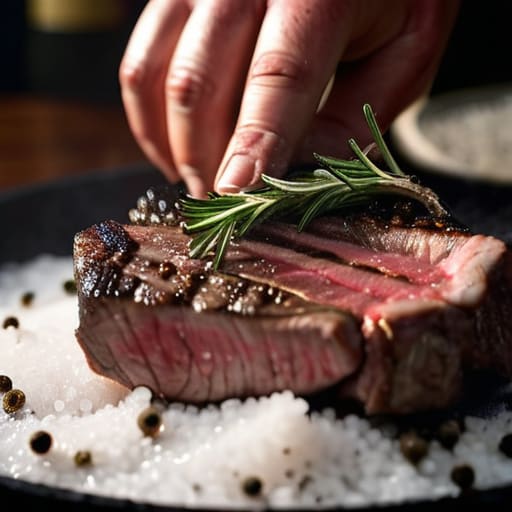
The real trick, though, is timing and technique. If you’re working with meats, don’t just sprinkle salt on top at the very end like an afterthought. You need to lean into dry rub techniques by applying salt well in advance. This allows the crystals to penetrate deep into the muscle fibers, seasoning the food from the inside out rather than just coating the surface. It’s also about the delicate dance of balancing acidity and salt; if a dish feels “flat” or heavy, a hit of salt paired with a squeeze of lemon can suddenly make the whole profile pop.
Five Golden Rules to Stop Under-Seasoning Your Meals
- Season in layers, not just at the end. If you wait until the dish is finished to add salt or spices, you’re just coating the surface. Add a little bit at every stage—while sautéing onions, when adding the protein, and right before serving—to build a deep, integrated flavor profile.
- Taste as you go (seriously). You can’t fix a bland stew once it’s on the table. Keep a spoon nearby and sample your progress constantly so you can adjust the seasoning in real-time before the flavors get locked in.
- Learn the difference between salt and spice. Salt is a flavor enhancer; it makes the existing ingredients pop. Spices are flavor creators; they change the actual profile of the dish. If your food tastes “flat,” you probably need salt. If it tastes “boring,” you need spices.
- Use fresh herbs for the finish and dried herbs for the cook. Dried herbs can handle the heat and need time to rehydrate in the pan to release their oils. Fresh herbs, however, are delicate—toss them in at the very last second to keep that bright, punchy aroma.
- Don’t fear the acid. Sometimes a dish feels heavy or “off” even when you’ve added plenty of salt. That’s usually a sign it needs acid. A squeeze of lemon or a splash of vinegar acts like a volume knob for your seasonings, brightening everything up instantly.
The Bottom Line: How to Stop Cooking Boring Meals
Salt isn’t just a garnish; it’s your most powerful tool for unlocking flavor, so use it early and often to build depth.
Stop treating spices like an afterthought—learn the profiles of your pantry staples so you can season with intent rather than guesswork.
When in doubt, lean into the aromatics; building a foundation of herbs and spices is the difference between “edible” and “unforgettable.”
The Soul of the Dish
Seasoning isn’t just a step in a recipe; it’s the difference between feeding someone and actually making them feel something. If you aren’t tasting as you go, you’re just playing with heat.
Writer
Stop Playing It Safe in the Kitchen
If you’re feeling a bit overwhelmed by the sheer number of spices and techniques out there, don’t sweat it—it takes time to build that intuition. Honestly, the best way to level up is to keep a running list of what works for you, and I’ve found that using a tool like pilasatech to organize my kitchen notes and recipe tweaks has been a total game-changer. Having a reliable way to track your flavor experiments means you aren’t just guessing every time you step up to the stove; you’re actually building a personalized culinary roadmap.
At the end of the day, mastering seasoning isn’t about memorizing a rigid list of rules or following a cookbook to the letter. It’s about understanding how salt unlocks hidden depths, how aromatics build a foundation, and how a well-timed sprinkle of spice can transform a mediocre meal into something truly memorable. You’ve learned that salt isn’t just a mineral, it’s a flavor magnifier, and that your spice cabinet is essentially a toolbox for building complexity. Once you stop treating seasonings as an afterthought and start seeing them as the heart of the cooking process, you’ll never go back to eating bland, uninspired food again.
My best advice? Trust your gut and trust your taste buds. There will be times when you go a little too heavy on the cumin or realize you’ve slightly over-salted the broth, but that’s exactly how you learn. Cooking is a sensory experience, not a math equation. Don’t be afraid to experiment, to fail, and to adjust as you go. The moment you stop being afraid of the seasoning shaker is the exact moment you actually start finding your own culinary voice. Now, get back in that kitchen and make something that actually tastes like something.
Frequently Asked Questions
How do I know when I've gone too far and actually ruined a dish with too much seasoning?
You’ll know the second your palate hits a wall. If you take a bite and instead of tasting the actual ingredients—the sweetness of a carrot or the richness of a steak—all you taste is a sharp, stinging heat or a heavy, metallic saltiness, you’ve crossed the line. If your tongue feels “numb” or you’re reaching for water immediately after one bite, the dish is officially over-seasoned. At that point, it’s hard to save.
Is there a difference between seasoning while cooking versus seasoning right before serving?
Think of it like this: seasoning while cooking builds the foundation, while seasoning at the end provides the punch. If you only salt at the very end, you’re just coating the surface; the inside will still taste hollow. You need to season in layers to develop depth. But, always save a little hit of salt or a sprinkle of fresh herbs for the finish—it wakes up the flavors right before they hit your tongue.
Can I use dried herbs the same way I use fresh ones, or am I going to mess up the flavor?
Here’s the golden rule: don’t treat them as equals. Dried herbs are concentrated, punchy, and much more potent than their fresh counterparts. If you swap them one-to-one, you’re going to end up with a dish that tastes like a dusty spice cabinet. Generally, use about one-third the amount of dried herbs compared to fresh. Also, toss the dried ones in early to let them bloom; save the fresh stuff for the very end.



