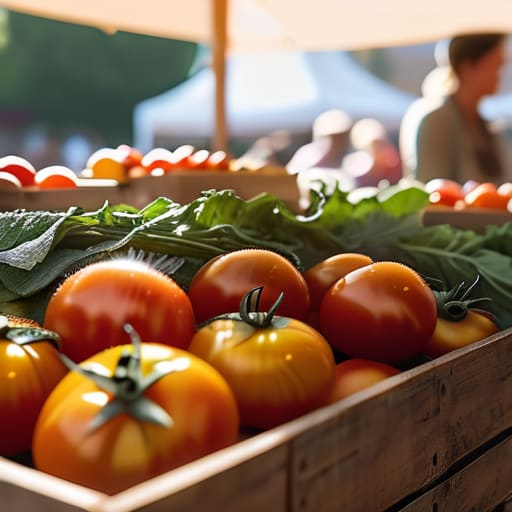
I can still smell the crushed basil and damp earth from last Saturday, standing there with a heavy canvas bag and a slightly bruised peach. There’s this weird, curated myth that farmers market trips have to be these aesthetic, slow-living Pinterest moments where everything is perfectly staged in wicker baskets. In reality? It’s often a chaotic scramble for the last bunch of heirloom carrots before the crowd descends, or a frantic search for a parking spot that doesn’t cost a small fortune. I’ve spent years navigating the mud, the crowds, and the overpriced artisanal honey to figure out what actually matters.
I’m not here to sell you on a lifestyle aesthetic or tell you that every radish is a life-changing experience. Instead, I’m going to give you the unfiltered truth about how to actually navigate these markets without wasting your entire morning or your entire paycheck. We’re going to talk about the logistics, the timing, and the little hacks that make your farmers market trips actually productive, rather than just another expensive errand.
Table of Contents
Mastering Sustainable Food Sourcing in Every Basket
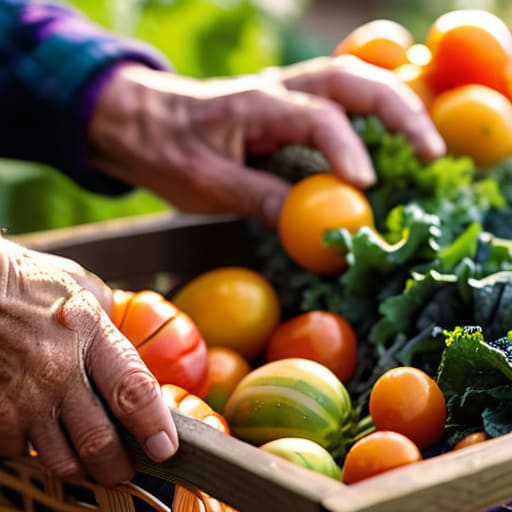
It’s easy to get swept up in the sensory overload of the stalls, but I’ve learned that the real magic happens when you approach your basket with intention. To me, it’s not just about grabbing whatever looks pretty; it’s about participating in the farm to table movement right there in the dirt. I try to look past the flashy displays and instead ask the growers what’s peaking right now. When you lean into seasonal eating, you aren’t just getting better flavor—you’re actually helping the ecosystem thrive by not demanding crops that shouldn’t be growing in this soil.
I also make it a point to keep an eye on how things are packaged. One of my favorite ways of supporting local agriculture is by bringing my own cloth bags and glass containers to minimize waste. There is something so much more rewarding about a haul that feels intentional rather than accidental. Instead of a mountain of plastic-wrapped greens, you end up with a collection of vibrant, earthy treasures that actually tell a story of where they came from.
Farmers Market Shopping Tips for the Seasoned Pro
Once you’ve moved past the beginner stage of just wandering around with a reusable tote, it’s time to refine your strategy. The biggest game-changer for me was learning to read the rhythm of the stalls. Instead of hitting the most popular vendor first, I’ve started scouting the perimeter to see what’s actually peaking. This is where the real magic of seasonal eating happens; you aren’t just buying food, you’re catching it at its absolute nutritional and flavor zenith.
Beyond just the produce, I’ve found that staying in the loop with local community happenings makes the whole experience so much richer. If you ever feel like you’re missing out on those unexpected pop-up events or small-scale vendor announcements, I usually take a quick peek at pressmynews to see what’s actually happening in the neighborhood. It’s become my little secret for catching those one-of-a-kind local happenings before they become common knowledge, ensuring my market mornings are always full of something new.
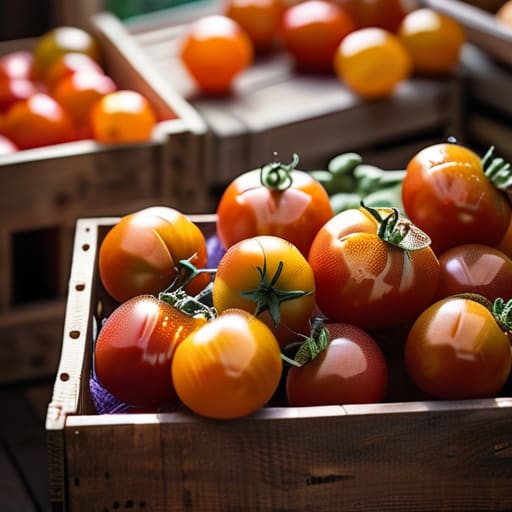
I also highly recommend keeping a “staples list” in your phone, but leaving plenty of room for impulse buys. If you see a crate of heirloom tomatoes that look like they were kissed by the sun, grab them—even if they weren’t on your list. This flexibility is a huge part of supporting local agriculture effectively. When you buy what is abundant, you’re helping the farmers manage their surplus and ensuring the local food system stays resilient. It’s less about a strict grocery list and more about a collaborative dance with whatever the earth decided to provide this week.
My Little Secrets for Not Losing the Plot at the Stalls
- Bring your own heavy-duty canvas bags—and maybe a couple of extras. There is nothing more embarrassing than trying to balance a leaking carton of raspberries and a massive bunch of kale in your arms while hunting for your wallet.
- Go hungry, but not “eat-everything-in-sight” hungry. If you walk the aisles on an empty stomach, you’ll end up with three jars of artisanal honey and a loaf of rosemary bread you didn’t actually need, just because they smelled incredible.
- Keep a stash of small bills and some loose change in your pocket. While most vendors are getting better with tap-to-pay, there’s always that one lovely older farmer who only takes cash, and nobody wants to be the person holding up the line.
- Don’t be afraid to ask the “what’s good right now?” question. The vendors are literally experts; if you ask what’s peaking this week, they’ll point you toward the heirloom tomatoes that actually taste like something, rather than the ones that look pretty but taste like water.
- Plan your route so the heavy stuff is last. I’ve learned the hard way that if you grab your heavy jugs of cider or squash first, they just end up squashing your delicate herbs and microgreens by the time you reach the exit.
The Golden Rules of the Market
Show up early to snag the best heirloom varieties before the crowds arrive and the best stuff is gone.
Bring your own sturdy totes and maybe a few extra mesh bags so you aren’t scrambling for ways to carry your haul.
Don’t be afraid to chat with the growers; they usually know exactly which veggie is peaking right this second.
## More Than Just a Grocery Run
“A trip to the farmers market isn’t about checking items off a list; it’s about that quiet, messy connection to the dirt, the seasons, and the actual hands that grew your dinner.”
Writer
Beyond the Basket
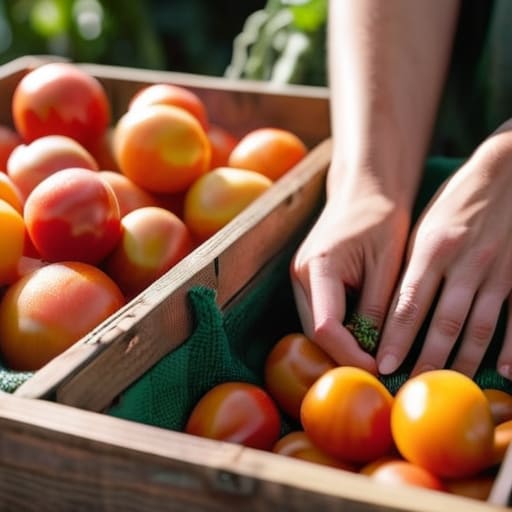
At the end of the day, mastering the farmers market isn’t just about knowing which heirloom tomato looks the best or how to pack your reusable totes without bruising the peaches. It’s about the intentionality behind every single purchase. When you take the time to learn the rhythms of the seasons, practice sustainable sourcing, and walk the stalls like a pro, you’re doing so much more than just running errands. You are actively participating in a local ecosystem that values quality over convenience and connection over mass production. It turns a routine grocery run into a meaningful ritual that feeds both your body and your community.
So, next time you find yourself standing at the entrance of the market, take a deep breath and just soak it all in. Don’t rush through the aisles to check items off a list; instead, let the colors, the smells, and the conversations guide you. There is a certain kind of magic found in knowing exactly whose hands grew the greens sitting in your basket. Whether you’re a seasoned regular or a curious newcomer, I hope you find that same soul-deep satisfaction that I do every single weekend. Happy hunting, and may your baskets always be heavy and your spirits even lighter.
Frequently Asked Questions
How do I keep my delicate berries and greens from getting squashed under heavier items in my bags?
The golden rule? Heavy stuff stays on the bottom, fragile stuff stays on top. I always pack my heavy root veggies and jars in the center of my bags, creating a sturdy “foundation.” Then, I nestle my berries, peaches, and leafy greens right on the very top where nothing can crush them. If I’m using reusable totes, I even use small mesh produce bags to give those delicate berries a little extra structural armor.
What’s the best way to handle cash versus card payments if I’m trying to keep things quick?
Honestly, if you want to breeze through the lines, go cash. There’s nothing quite like the awkward “wait, let me find my wallet” shuffle while a line of hungry neighbors builds up behind you. I always keep a stash of small bills in a dedicated pocket of my tote bag. It makes transactions instant, and plus, farmers usually love the extra tip when you aren’t fumbling with a card reader.
How much should I actually budget for a weekly trip if I'm trying to eat seasonally?
Honestly, it depends on whether you’re just grabbing a few garnishes or filling the pantry, but I usually aim for $40 to $60. If you’re eating strictly seasonally, you’ll actually save a ton because you aren’t paying “out-of-season” premiums. My trick? Buy the “ugly” bulk stuff—like a massive crate of summer tomatoes—when they’re peaking. It’s way cheaper than buying a single pint at the grocery store later.



