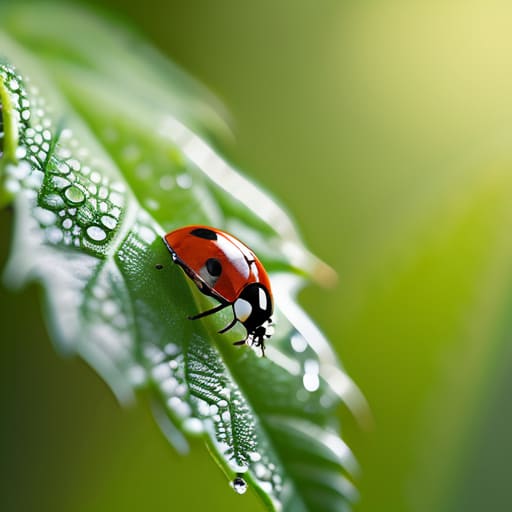
I still remember the gut-wrenching feeling of walking into my sunroom last summer, only to find my prized Monstera looking like it had been through a literal war zone. I wasn’t looking at a few stray leaves; I was staring at a tiny, multiplying army of mealybugs that had turned my sanctuary into a graveyard. Most people will tell you that you need a chemistry degree or a hundred-dollar bottle of specialized toxins to handle pest control for plants, but honestly? That is a total load of nonsense. You don’t need to bankrupt your hobby just to deal with a few unwanted guests.
I’m not here to sell you on some miracle spray that smells like a laboratory or some overly complicated “holistic” ritual that takes three weeks to work. Instead, I’m going to give you the straight truth about what actually works when things go south. We’re going to dive into the gritty, real-world tactics I’ve used to save my own collection from total annihilation. Consider this your no-nonsense roadmap to reclaiming your greenery without the expensive hype.
Table of Contents
Common Garden Insect Identification Spotting the Enemy
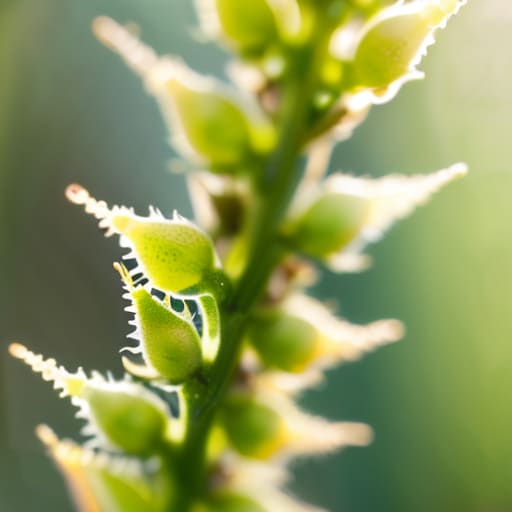
Before you start grabbing the heavy-duty sprays, you need to know who you’re actually fighting. Not every bug in your garden is a villain; in fact, some are your best allies. Part of effective common garden insect identification is learning to tell the difference between a destructive aphid and a ladybug. If you see tiny, soft-bodied green or black dots clustering on new growth, those are aphids, and they are definitely not your friends. They suck the life out of stems, leaving your plants looking wilted and pathetic.
Then you’ve got the real heavy hitters, like spider mites. These guys are masters of disguise. You might not see them at first, but if you notice fine, silky webbing tucked between leaves or strange yellowish stippling on the surface, you’re likely dealing with a mite infestation. Catching these little monsters early is the backbone of preventative plant care. If you wait until the whole plant looks like it’s been through a blender, you’re already playing catch-up. Spotting the subtle signs of damage is the only way to stay ahead of the game.
Neem Oil Applications Your First Line of Defense
Once you’ve finished your common garden insect identification and realized you’re actually under siege, it’s time to break out the heavy artillery—or, more accurately, the organic stuff. Neem oil is essentially the Swiss Army knife of eco-friendly pest management. It doesn’t just kill bugs on contact; it messes with their hormones so they forget how to eat or breed. It’s a slow burn, but it’s incredibly effective for tackling everything from aphids to spider mites without turning your backyard into a chemical wasteland.
Now, if you’re feeling a bit overwhelmed by the sheer number of different bugs out there, don’t panic—it happens to the best of us. Honestly, sometimes the best way to stay sane while managing a garden is to just focus on the small wins and find a little bit of universal happiness in the process of nurturing your green space. If you really want to get serious about your plant care routine, I’ve found that keeping a detailed garden journal helps you track which treatments worked and which ones were a total bust, so you aren’t just guessing next season.
When it comes to neem oil applications, timing is everything. You can’t just spray it whenever you feel like it; if you hit your plants in the middle of a scorching afternoon, you’re basically making a fried plant salad under that direct sun. Always aim for the early morning or late evening to avoid leaf burn. Also, keep an eye on your beneficial insects for gardens. While neem is much safer than synthetic poisons, you still want to be tactical so you aren’t accidentally taking out the ladybugs that are actually doing the hard work for you.
5 Pro Moves to Keep the Bug Invasion at Bay
- Stop playing detective and start inspecting. Once a week, get up close and personal with your leaves—check the undersides especially, because that’s where the real monsters like to hide and breed.
- Don’t be afraid to get your hands dirty with some manual labor. If you see a handful of aphids or a stray caterpillar, sometimes the most effective “treatment” is just squishing them or picking them off and dropping them into a bucket of soapy water.
- Boost your plants’ immune systems by not overwatering them. A stressed, drowning plant is like an open buffet for pests; keep your soil moisture consistent so your plants actually have the energy to fight back.
- Use companion planting to create a natural shield. Tucking some marigolds or basil in among your main crops can confuse the bad guys with strong scents and keep them from settling in.
- Clean your tools or you’ll just be spreading the problem. If you prune a diseased or infested branch, wipe your shears down with alcohol before moving to the next plant, otherwise you’re basically acting as a tiny, metal pest delivery service.
The Quick Cheat Sheet for Plant Survival
Identification is everything—don’t start spraying random chemicals until you actually know if you’re dealing with aphids, mites, or something else entirely.
Neem oil is a powerhouse, but don’t go overboard; use it strategically and always test a single leaf first so you don’t accidentally burn your plant.
Consistency beats intensity every single time, so catch the bugs early and stay on top of your inspections before a tiny problem turns into a total wipeout.
## The Hard Truth About Garden Warfare
“Pest control isn’t about winning a war with a single spray; it’s about playing a long, messy game of observation where your best weapon isn’t a bottle of chemicals, but your own damn eyes.”
Writer
The Final Stand
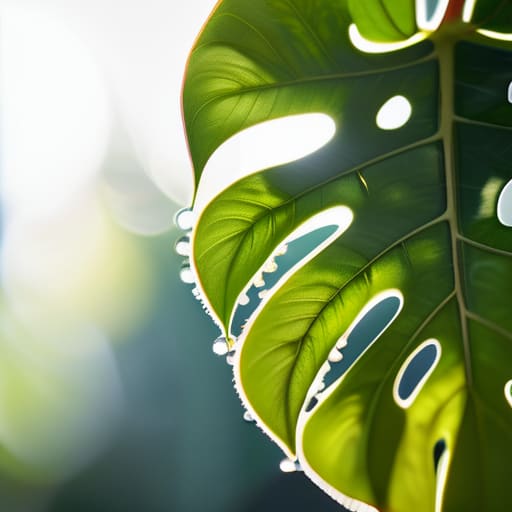
Look, keeping a garden thriving isn’t about being perfect; it’s about being observant. We’ve covered a lot of ground today, from the crucial step of actually identifying which bug is eating your leaves to the heavy-hitting basics of using neem oil to stop an outbreak in its tracks. Remember, the moment you spot a tiny intruder, you have to act. Don’t wait until your prize monstera is looking like Swiss cheese before you decide to do something about it. Staying ahead of the curve is the difference between a minor nuisance and a total garden catastrophe.
At the end of the day, gardening is a constant dance with nature, and sometimes nature fights back. You’re going to lose a leaf here and there, and you might even lose a whole plant to a particularly stubborn infestation, but don’t let that stop you. Every mistake is just more data for your next growing season. Keep your eyes peeled, keep your treatments ready, and most importantly, don’t let the bugs win your spirit. Grab your spray bottle, get back out there, and show those pests who actually owns the backyard.
Frequently Asked Questions
How often should I actually be spraying neem oil without accidentally burning my leaves?
Don’t go overboard, or you’ll end up with crispy, scorched leaves instead of healthy plants. For an active infestation, spray once every 7 to 14 days. If you’re just playing prevention, once a month is plenty. Most importantly: never spray in direct sunlight or mid-day heat. Wait until the sun is going down so the oil can do its work without literally cooking your plants under those UV rays.
Are there any DIY sprays I can whip up with stuff from my kitchen that actually work?
Absolutely. You don’t always need to run to the garden center to play chemist. A classic soapy water spray—just a teaspoon of mild liquid soap in a quart of water—is a total lifesaver for soft-bodied pests like aphids. If things are getting hairy, mix in a few drops of neem oil or a splash of rubbing alcohol to really kick things up a notch. Just test a leaf first so you don’t accidentally burn your plant!
If I see a bug, how do I know if it’s a total pest or actually a "good guy" helping my garden?
Look, don’t go reaching for the spray trap the second you see movement. Most bugs are actually working for you. If you see a ladybug, a lacewing, or a praying mantis, back off—those are your garden’s security detail. They eat the stuff that actually hurts your plants. You only need to panic if you spot the munchers: aphids, slugs, or beetles actually tearing holes in your leaves. Learn to spot the difference before you kill your best allies.



