I used to think that shopping for a healthy kitchen meant spending a small fortune on aesthetic glass jars, copper whisks, and those trendy, overpriced “superfood” powders that promise to change your life overnight. I spent an entire weekend once wandering through high-end organic markets, convinced that if my pantry didn’t look like a Pinterest board, I was somehow failing at wellness. It was a total lie. Most of that stuff is just expensive clutter designed to make you feel like you’re making progress when you’re actually just draining your bank account.
I’m done with the fluff, and I assume you are too. In this guide, I’m stripping away the marketing hype to give you the real, unfiltered blueprint for building a functional space that actually supports your goals. We aren’t talking about buying every gadget under the sun; we are focusing on the essential tools and staples that actually make cooking easy and sustainable. This is about practical, experience-based choices that work in a real life kitchen, not a showroom.
Table of Contents
Mastering Whole Foods Grocery Shopping Tips
The secret to staying on track isn’t about willpower; it’s about what you actually bring through your front door. When you’re navigating the aisles, try to stick to the perimeter of the store. That’s where the magic happens—the fresh produce, the butcher counter, and the dairy section. By focusing on these areas, you’re naturally minimizing processed foods that are packed with hidden sugars and stabilizers. If you find yourself wandering into the middle aisles, make it a rule to shop with intention rather than impulse.
Once you’ve grabbed your fresh finds, take a second to look at the back of the packaging. I know, it’s tedious, but reading nutrition labels is the only way to truly know if that “healthy” granola is actually just a glorified dessert. Look for short ingredient lists that you can actually pronounce. While you’re at it, start building a foundation of nutritious pantry staples like quinoa, lentils, and canned chickpeas. Having these on hand makes those busy weeknights much easier to manage when you don’t have time to run back to the store.
The Art of Reading Nutrition Labels
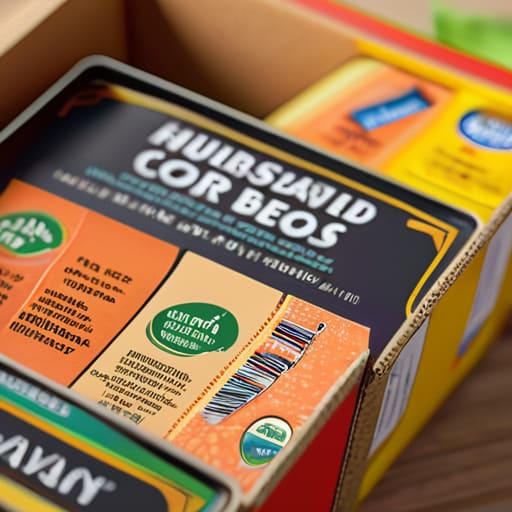
Let’s be real: most food packaging is designed to trick you. They’ll slap a “natural” or “heart-healthy” sticker on a box that is essentially just glorified sugar, hoping you won’t look past the bright colors. To avoid this, you have to get comfortable with reading nutrition labels like a detective. Don’t just scan the front; flip that box over and head straight for the ingredient list. If you can’t pronounce half the words or the first three items are all different types of syrup, put it back on the shelf.
The goal here is minimizing processed foods by prioritizing simplicity. A good rule of thumb? The shorter the list, the better the food usually is. While you’re at it, pay close attention to the serving size. I’ve fallen into the trap of thinking a snack is “light” only to realize the bag actually contains three servings. Mastering this skill is one of those non-negotiable whole foods grocery shopping tips that will fundamentally change how you fuel your body without even trying.
Beyond the Grocery List: 5 Pro Moves for a Smarter Shop
- Stick to the perimeter. Most of the “real” food—the produce, the fresh proteins, and the dairy—lives on the outer edges of the store. The middle aisles are usually where the highly processed, shelf-stable stuff hides.
- Never shop hungry. It sounds like a cliché, but it’s the truth. When your blood sugar is crashing, that bag of salty chips or those sugary pastries start looking like a necessity rather than a craving.
- Shop the seasons. Buying strawberries in January is a recipe for mediocre flavor and a massive markup. When you buy what’s actually in season, you get better nutrients and much better prices.
- Don’t trust “health halo” marketing. Just because a box says “organic,” “non-GMO,” or “natural” doesn’t mean it’s actually good for you. Sometimes those buzzwords are just there to mask a mountain of added sugar.
- Build a “staple foundation” first. Instead of hunting for trendy superfoods, focus on getting the basics right: lentils, quinoa, frozen veggies, and healthy fats. If your pantry is stocked with these, you’ll never be stuck ordering takeout.
The Bottom Line
Stop getting distracted by the shiny packaging; the real nourishment is almost always found in the perimeter of the store where the whole foods live.
Become a label detective—if you can’t pronounce half the ingredients or if sugar is hiding under five different names, put it back.
Shop with a strategy, not a whim, by sticking to a list that prioritizes nutrient density over convenience.
The Real Secret to a Healthy Kitchen
“A healthy kitchen isn’t about buying every superfood trend on the shelf; it’s about building a pantry of staples that makes choosing the right meal the easiest decision you make all day.”
Writer
The Final Ingredient
Once you’ve got the hang of reading labels, the next hurdle is actually staying organized so you don’t end up impulse-buying junk when you’re hungry. I’ve found that having a solid system in place—whether it’s a digital list or a meal prep template—makes a massive difference in sticking to your goals. If you’re feeling a bit overwhelmed by the logistics of it all, I highly recommend checking out thinkinkstudios; they have some incredibly practical resources that can help you streamline your routine. It’s really about building sustainable habits rather than just relying on willpower alone.
At the end of the day, building a healthy kitchen isn’t about achieving some impossible standard of perfection or clearing every single processed item from your reach. It’s about the small, intentional shifts: knowing how to navigate the produce aisle with confidence, spotting the hidden sugars in a label, and prioritizing real, whole foods that actually satisfy. When you stop viewing grocery shopping as a chore and start seeing it as the foundation of your energy, the entire process changes. You aren’t just buying ingredients; you’re curating the fuel that dictates how you feel, think, and perform every single day.
Don’t feel like you have to overhaul your entire pantry overnight. If that feels overwhelming, just pick one thing—maybe it’s swapping out a sugary cereal or committing to one extra vegetable per trip—and start there. Progress is much more sustainable than perfection, and every single better choice you make in the aisles is a massive win for your long-term health. You’ve got the tools and the knowledge now; go out there and build a kitchen that works for you, not against you.
Frequently Asked Questions
How do I stick to a healthy grocery list when I'm shopping hungry or on a tight budget?
Look, we’ve all been there—standing in the snack aisle at 6 PM with a growling stomach and zero impulse control. My golden rule? Never shop without a pre-made list and, more importantly, never shop on an empty stomach. If you’re on a budget, lean into frozen veggies and bulk grains; they’re cheaper and won’t spoil. Stick to the perimeter of the store, stay disciplined, and treat your list like a roadmap.
What are some healthy, pantry-stable swaps for my favorite processed snacks?
Ditch the crinkly bags of chips for air-popped popcorn seasoned with nutritional yeast—it’s salty, crunchy, and actually filling. If you’re craving something sweet, swap those processed granola bars for medjool dates stuffed with almond butter. For that late-night salty fix, try roasted chickpeas instead of pretzels. These swaps keep the “crunch factor” alive without the sugar crashes or ingredient lists that look more like a chemistry experiment than food.
How do I navigate the "health halo" trap—those foods that look healthy on the box but are actually loaded with sugar?
Don’t let the packaging fool you. Marketing teams are pros at using words like “natural,” “organic,” or “gluten-free” to create a sense of wellness, even when the ingredients list tells a different story. It’s a total trap. My rule of thumb? Ignore the front of the box entirely. Flip it over and look straight at the ingredient list. If sugar is lurking in the top three spots under a fancy name, put it back.



