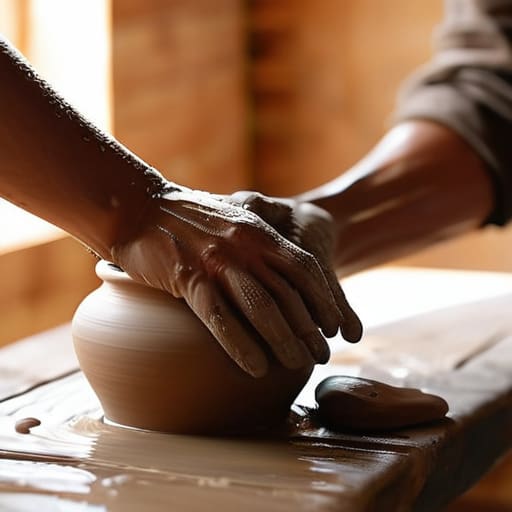
I still remember the first time I walked into a studio, expecting some Zen-like, meditative trance where everything just clicked. Instead, I spent three hours covered in grey sludge, fighting a lump of clay that had the structural integrity of wet noodles, while my back screamed in protest. The internet loves to sell this polished, aesthetic version of weekend pottery—all soft lighting, slow-motion spinning wheels, and perfectly minimalist mugs—but let’s be real: it’s messy, it’s frustrating, and sometimes it’s downright humbling.
I’m not here to sell you on some magical lifestyle transformation or tell you that you’ll be a master artisan by Monday morning. What I am going to give you is the unfiltered truth about what it actually takes to enjoy the process without losing your mind. I’ll walk you through the gear you actually need, how to find a studio that won’t rip you off, and how to embrace the inevitable collapses. This is about getting your hands dirty and actually finding your rhythm without the manufactured hype.
Table of Contents
Finding Peace Through the Therapeutic Benefits of Clay
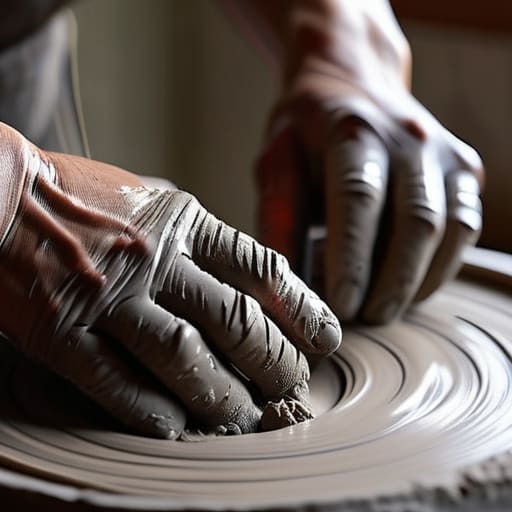
There’s something almost primal about the way clay feels between your fingers. When you’re sitting there, covered in grey sludge, the rest of the world just… stops. It’s not just about making a bowl; it’s about the mental reset that happens when you stop staring at a glowing screen and start focusing on something tactile. I’ve found that the therapeutic benefits of clay aren’t just some wellness cliché—they are incredibly real. It forces you into a state of flow where your only responsibility is the pressure of your thumb against a spinning mound of earth.
Whether you decide to dive into pottery classes for beginners or just experiment with some basic handbuilding at your kitchen table, the goal is the same: presence. You can’t worry about your inbox when you’re trying to keep a cylinder from collapsing. It’s a meditative process that demands your full attention, turning a chaotic week into a series of intentional, rhythmic movements. By the time you wash the grit off your hands, that mental fog has usually lifted, replaced by a quiet kind of clarity you just can’t find anywhere else.
Choosing Between Handbuilding vs Wheel Throwing
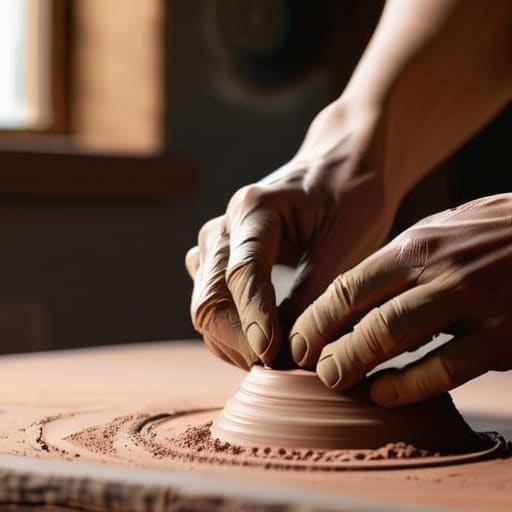
So, you’ve decided to dive in, but now you’re staring at the menu of options and feeling that classic beginner’s paralysis. The big debate usually boils down to handbuilding vs wheel throwing, and honestly, there is no wrong answer—just different vibes. If you’re someone who loves a bit more control and wants to create organic, sculptural shapes without the steep learning curve, handbuilding is your best friend. It’s just you, some coils, or slabs of clay, and a lot of tactile freedom. It feels much more intimate, almost like sculpting, and you don’t have to worry about the “centering” struggle that makes most newcomers want to throw their tools across the room.
Once you’ve decided which style of working with clay speaks to you, the next hurdle is usually finding a space that doesn’t involve turning your kitchen table into a permanent dust zone. Honestly, trying to DIY a studio at home is a recipe for disaster unless you have a massive budget for kilns and ventilation. I’ve found that checking out local community hubs or specialized spaces like cedarplantation is a total game changer for beginners. It’s much easier to focus on your technique when you aren’t worrying about the cleanup, and being around other makers is the best way to stay motivated when your first few bowls inevitably look more like lumpy pancakes.
On the flip side, if you’re looking for that hypnotic, rhythmic trance, you’ve got to get on the wheel. There is something undeniably addictive about watching a lump of mud transform into a vessel under your palms. It’s a total workout for your focus, though it definitely requires more patience. Most pottery classes for beginners will let you sample both, which is honestly the smartest way to go. You might find you love the meditative spin of the wheel, or you might realize you’re much more at home crafting textured, earthy pieces by hand.
Pro Tips for Not Losing Your Mind (or Your Hands) in the Studio
- Don’t go overboard on your first day. It’s tempting to try and make a whole set of dinnerware, but start with something small like a pinch pot or a simple mug so you don’t end up frustrated by a collapsed mess.
- Invest in a decent apron that you don’t mind getting absolutely trashed. Clay gets everywhere—in your hair, under your nails, and deep into the fibers of your clothes—so just accept the mess from the start.
- Keep your fingernails short. This sounds like a weirdly specific tip, but long nails are the absolute enemy of smooth clay; they’ll leave unintentional gouges in your work every single time you try to shape it.
- Embrace the “ugly phase.” Every piece goes through a stage where it looks like a lumpy disaster, especially when it’s wet. Don’t panic and try to fix it mid-way; just let it dry and learn from the shape later.
- Focus on the process, not the Instagram shot. If you spend the whole session worrying about how the finished piece will look in a photo, you’ll miss the actual point of being there, which is just to get lost in the tactile sensation of the mud.
The Bottom Line
Don’t sweat the perfection; the whole point of getting messy with clay is to disconnect from your screen and just exist in the moment.
Pick your method based on your vibe—go for wheel throwing if you want that rhythmic focus, or handbuilding if you prefer a slower, more sculptural pace.
Just show up. You don’t need to be an “artist” to find joy in the process; you just need a willingness to get your hands dirty.
The Magic in the Mess
“There’s something incredibly grounding about spending a Saturday covered in dried mud, realizing that for once, you don’t have to be productive—you just have to be present.”
Writer
Final Thoughts Before You Get Messy
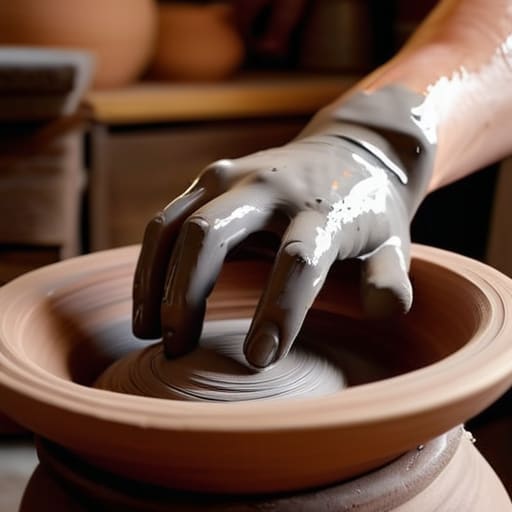
At the end of the day, whether you decide to master the rhythmic dance of the pottery wheel or prefer the slow, intentional pace of handbuilding, the real magic isn’t in the finished vase sitting on your shelf. It’s about that mental shift that happens the moment you step into the studio. You’ve seen how clay can act as a powerful therapeutic outlet for stress, and you now know that there is no “right” way to start—only your way. Don’t get hung up on perfection or whether your first bowl looks like a lopsided mess; just focus on the sensation of the earth between your fingers and the quiet rhythm of the process.
So, stop overthinking it and just go sign up for that introductory class. Your weekends deserve more than just mindless scrolling or another trip to the grocery store; they deserve something tangible and real. There is a profound, ancient satisfaction in making something with your own two hands that a digital screen can never replicate. Go get a little dirt under your fingernails, embrace the beautiful imperfections, and discover just how much joy a little bit of mud can bring into your life.
Frequently Asked Questions
Do I need to buy my own tools and clay before I try my first class?
Short answer? Absolutely not. Seriously, don’t go out and drop a hundred bucks on a starter kit just yet. Most studios include everything you actually need—clay, tools, even the firing—in your class fee. They want you to try it out without the commitment. Wait until you’ve sat at the wheel a few times and realized you’re actually hooked before you start building your own personal stash of sponges and ribs.
Is it actually possible to make something useful in just a few weekend sessions?
Honestly? Yes, but let’s manage expectations. You aren’t going to walk out with a museum-quality vase after two Saturdays, but you can absolutely make a functional mug or a small pinch bowl. If you stick to simpler forms like handbuilding, you’ll see results fast. It’s less about perfection and more about that “I actually made this” feeling when you finally use your own bowl for breakfast.
What's the deal with firing and glazing—do I have to bring my pieces back every week?
Don’t worry, you aren’t going to be lugging a heavy box of wet clay around every single weekend. Most studios have a “drying shelf” where your pieces live while they wait for their turn in the kiln. Once they’re bone-dry, you’ll glaze them, and then the studio handles the heavy lifting of the firing process. You just show up, create, and wait for the magic to happen.



