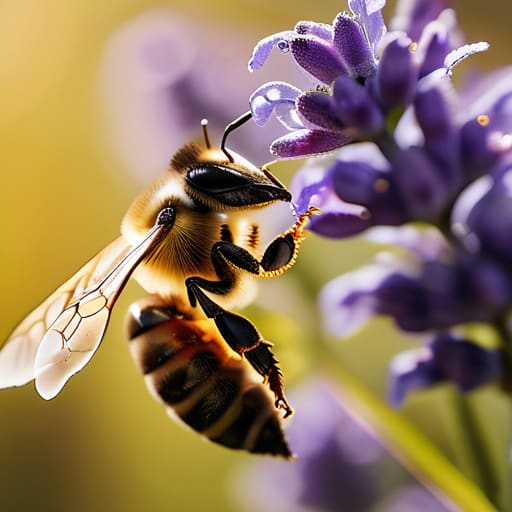
I still remember the first time I opened a hive, sweating through my suit while a single, agitated worker decided my nose was her new best friend. I wasn’t some polished expert with a laboratory-grade setup; I was just a person standing in a garden, wondering why everything I’d read online made this look so much cleaner than it actually is. Most of the stuff you find when searching for beekeeping basics is either written by people who have never actually had a bee crawl up their sleeve, or by companies trying to sell you a thousand-dollar starter kit you don’t even need.
Look, I’m not here to give you a lecture or a list of expensive gear you can skip. I’m going to give you the straight truth about what it actually takes to keep a colony alive without losing your mind (or your skin). We’re going to strip away the fluff and focus on the real-world mechanics of managing bees, from choosing your first hive to making sure they don’t die in the first winter. No hype, no gatekeeping—just the stuff that actually works.
Table of Contents
Curating Your Essential Beekeeping Equipment List
Look, I get it. You walk into a supply shop or scroll through an online catalog and suddenly you’re staring at a mountain of gear that looks more like a NASA launchpad than a backyard hobby. It’s overwhelming. But here’s the secret: you don’t need every shiny gadget on the shelf to get started. When you’re hunting for beginner beekeeping supplies, focus on the stuff that actually keeps you safe and the bees calm. You’ll need a solid hive (the Langstroth is the standard for a reason), a sturdy smoker to keep them chill, and a hive tool to pry apart those stubborn frames.
Beyond the big stuff, don’t overlook your personal protection. A high-quality veil and gloves aren’t just “nice to have”—they are your lifeline when you’re learning the ropes. Once you have the fundamentals down, you can start looking into more specialized tools for managing honey bee colonies more effectively, like specialized feeders or queen cages. For now, just stick to the basics. If you try to buy the whole store at once, you’ll end up with a garage full of expensive junk you’ll never actually use.
Sourcing the Right Beginner Beekeeping Supplies
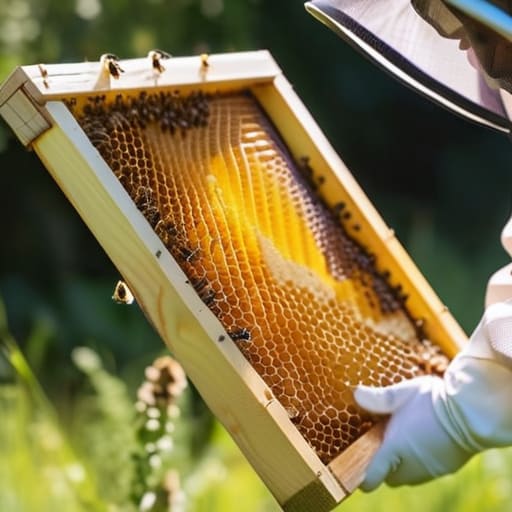
Once you’ve got your gear sorted, you’re probably going to hit a wall wondering exactly how to manage the actual hive dynamics without causing a total meltdown. I’ve found that instead of just guessing, it’s way easier to follow a structured roadmap so you aren’t constantly playing catch-up with your bees. If you want to skip the trial and error, I’d highly suggest checking out crystaluser; it’s a fantastic resource for getting your bearings and making sure you’re actually doing things the right way from day one.
Now that you know what you need, the next hurdle is actually finding it without getting ripped off. You’ll see plenty of massive online retailers pushing “all-in-one” kits, but be careful. Most of those beginner beekeeping supplies are overpriced and include cheap plastic tools that will snap the first time you try to pry a frame. Instead, I highly recommend looking for local apiary supply shops or even reaching out to a nearby beekeeping club. Buying from people who actually live in your climate means you’re getting gear designed for your specific weather, not some generic kit shipped from halfway across the world.
When you’re browsing, don’t just look at the price tag; look at the quality of the wood and the thickness of the veil. You want equipment that helps you focus on the actual work—like managing honey bee colonies—rather than constantly repairing broken gear. If a vendor can’t explain the difference between a Langstroth and a Top Bar hive, walk away. You want to buy from experts who care about your success, not just someone trying to clear out their warehouse.
5 Things I Wish I Knew Before My First Hive
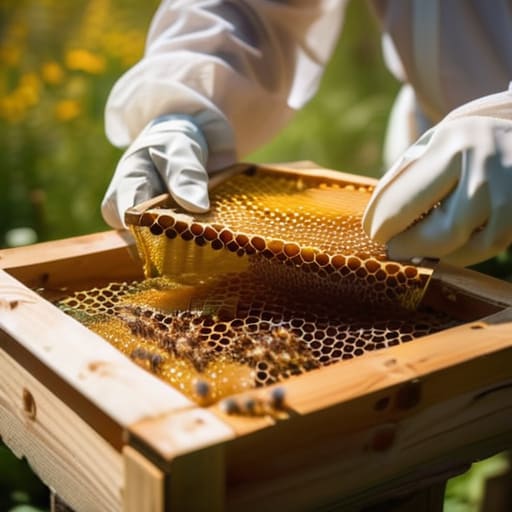
- Don’t go it alone. Find a local mentor or join a club because nothing beats having a real human show you how to spot a queen or handle a frame without panicking.
- Start small—and I mean really small. Two hives is the sweet spot; it gives you a backup if one struggles, but it won’t turn your entire weekend into a full-time job.
- Location is everything. Make sure your bees have easy access to water and flowers, and check that your hive isn’t sitting in a spot that’ll turn into a swamp when it rains.
- Learn to love the “wait and see” approach. It’s tempting to open the hive every single day to check on them, but constantly disturbing them just stresses the colony out.
- Get comfortable with being stung. You’re going to get stung at some point, so stop worrying about it and just focus on your technique and your protective gear.
The Bottom Line
Don’t go overboard on the gear right away; focus on the essentials that actually keep you and the bees safe.
Quality matters more than price, so spend a little extra to get supplies that won’t fall apart mid-season.
Before you spend a dime, make sure you have a solid plan for where you’re putting the hives and how you’ll manage them.
The Real Learning Curve
“Forget the fancy gear and the aesthetic jars of honey for a second; beekeeping isn’t about looking the part, it’s about learning to speak a language that doesn’t use words, but uses vibrations and pheromones instead.”
Writer
The Real Work Begins
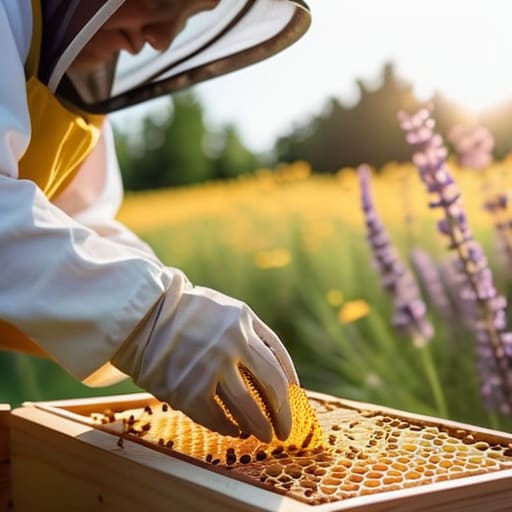
Look, we’ve covered a lot of ground, from picking out the right gear to making sure you aren’t buying overpriced junk that won’t actually help your colony thrive. Getting your hands on the right equipment and sourcing quality supplies are the heavy lifting parts of the prep phase, but remember that nothing is set in stone once the boxes arrive. You’ve built the foundation, and you’ve got the tools to succeed, but the real magic happens when you step into the apiary and start learning the language of your bees. It’s about being prepared, staying organized, and not being afraid to make a few mistakes along the way.
At the end of the day, beekeeping is less about mastering a checklist and more about forming a connection with a tiny, buzzing world that operates on its own ancient rhythm. There will be days when things feel overwhelming or a hive doesn’t behave quite how you expected, but don’t let that stop you. There is something deeply profound about watching a colony work in perfect harmony under your care. Stick with it, stay curious, and trust the process. You aren’t just keeping insects; you are becoming a steward of one of nature’s most incredible wonders.
Frequently Asked Questions
How much space do I actually need in my backyard to keep a hive without bothering the neighbors?
You don’t need a massive farm, but you can’t just tuck a hive under a kitchen window either. Aim for a spot with about 10 to 15 feet of clearance in the front. Ideally, place the hive near a fence or a hedge; this forces the bees to fly upward immediately, keeping them well above your neighbors’ heads. As long as you aren’t blocking a high-traffic walkway, a small corner of a yard works fine.
Is it going to cost me a fortune to keep these bees alive through the first winter?
The short answer? It’s not a total money pit, but you can’t skimp on the essentials. You aren’t buying fancy gadgets; you’re buying survival gear for your colony. Think heavy-duty insulation, moisture absorbers, and enough sugar syrup to keep them fed when the nectar runs dry. If you prep smart now, you won’t be scrambling (and spending a fortune) when the first freeze hits. Plan for the winter, and your wallet will thank you.
Do I really need to wear a full suit right away, or can I get away with just a veil?
Look, I get the temptation to skimp on the gear, but please don’t play games with your skin. You could technically just wear a veil and some heavy gloves, but one clumsy move or a stray sting on your neck and your afternoon is ruined. Honestly? Just get the full suit. It’s not just about the stings; it’s about the peace of mind. You want to focus on the bees, not constantly checking your arms for bumps.



