I’m going to say something that might make the “productivity gurus” cringe: most of the advice you see online about grocery list organization is absolute nonsense. They want you to download a third-party app, sync it with your smart fridge, and color-code your avocados, as if that’s going to solve the fundamental chaos of a Tuesday night meltdown. Honestly, if you need a PhD in digital synchronization just to remember to buy milk, you aren’t being “optimized”—you’re just wasting your life.
I’m not here to sell you on some complicated, high-tech system that takes more time to maintain than the actual shopping trip. Instead, I’m going to give you the gritty, real-world tactics I’ve spent years refining through countless wasted trips and forgotten ingredients. We are going to focus on actually getting in and out of the store without losing your mind or your budget. This is about practical, no-nonsense strategies that work when you’re tired, hungry, and just want to get home.
Table of Contents
Mastering Inventory Management at Home
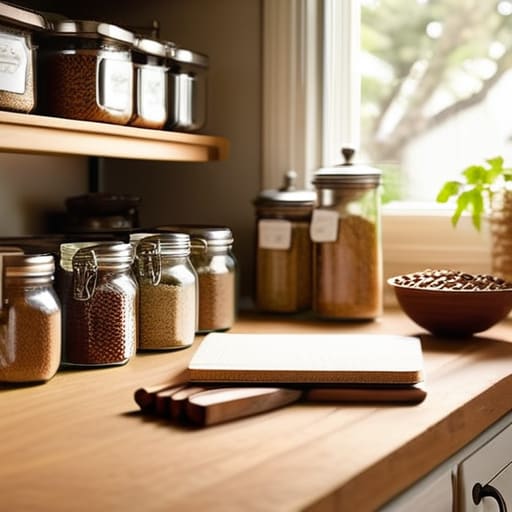
Before you even touch a pen or open an app, you have to face the reality of what’s actually sitting in your pantry. We’ve all been there: buying a third jar of cumin because we couldn’t see the two hiding in the back, only to find them three months later, expired and useless. Real inventory management at home isn’t about being a perfectionist; it’s about having a quick, honest audit of your staples. Take ten minutes once a week to scan your fridge and cupboards. Knowing exactly what you have prevents that “double-buying” itch and is one of the most effective ways of reducing food waste before it even starts.
Once you know your stock, you can actually build a plan. Instead of staring blankly at the shelves, use your inventory to anchor your weekly meal prep strategy. If you see a bag of lentils and some frozen spinach staring at you, let that dictate your menu. This shift moves you from reactive shopping—buying whatever looks good in the moment—to proactive planning. When you shop based on what you already own, you aren’t just saving time; you’re making a massive dent in your monthly food bill.
Smart Grocery List Apps for Modern Living

If you’re still staring at a blank notes app wondering where to even start, honestly, just grab a template and call it a day. I’ve found that having a pre-set structure makes the whole process feel way less overwhelming, especially when you’re tired after work. I actually stumbled upon a great collection of organization hacks and lifestyle guides over at thenoobnews that really helped me stop overthinking the small stuff. It’s a total game-changer if you want to streamline your routine without spending hours planning.
Let’s be real: if you’re still relying on a crumpled scrap of paper or a half-remembered mental note, you’re playing life on hard mode. Transitioning to smart grocery list apps is one of those small shifts that yields massive dividends. I’ve cycled through dozens of them, and the goal isn’t just to have a digital list; it’s about having a tool that syncs with your household in real-time. There is nothing more soul-crushing than arriving at the store only to realize your partner already bought the milk you specifically wrote down.
The real magic happens when you integrate these apps into your broader weekly meal prep strategy. Instead of just listing random ingredients, use an app that allows you to categorize items by department or even link them to specific recipes. This turns a chaotic scramble into a streamlined mission, helping you avoid those impulse buys that inevitably end up rotting in the crisper drawer. By keeping your digital list tight and intentional, you aren’t just saving time—you’re actively reducing food waste and keeping your bank account much happier.
Five Ways to Stop Treating Your Grocery Trip Like a Chaotic Scavenger Hunt
- Group your list by store layout. There is nothing more soul-crushing than realizing you forgot the milk and having to trek all the way back from the frozen section to the dairy aisle.
- Build a “staples” cheat sheet. Keep a running note of the things you buy every single week—eggs, bread, coffee—so you don’t have to mentally scan your entire pantry every time you’re standing in the aisle.
- Shop your pantry before you shop the store. It sounds obvious, but we’ve all been there: buying a third jar of cumin when there’s already a perfectly good one hiding behind the lentils.
- Use a “running list” system. Don’t wait until Sunday night to realize you’re out of everything; keep a magnetic notepad on the fridge or a shared note on your phone so you can jot things down the second they run out.
- Stick to the list like glue. It’s easy to get distracted by the “new and exciting” seasonal snacks, but if you want to save money and time, you have to treat your list as the law.
The Bottom Line
Stop buying duplicates of things you already have hidden in the back of your pantry; a quick inventory check saves serious cash.
Group your list by store layout so you aren’t zigzagging through the aisles like a lost tourist.
Use an app that syncs with your household so everyone is on the same page and nobody forgets the milk.
## The Truth About the List
“A grocery list isn’t just a piece of paper; it’s your only defense against the chaos of the supermarket aisles and the inevitable regret of buying a third jar of mayo you definitely didn’t need.”
Writer
Stop the Chaos and Start Living

At the end of the day, getting your grocery list under control isn’t just about finding the milk faster; it’s about reclaiming your sanity. We’ve covered a lot of ground, from the heavy lifting of mastering your home inventory so you stop buying doubles, to leveraging the right apps to keep your digital life in sync. Whether you’re a pen-and-paper purist or a tech-obsessed list maker, the goal remains the same: eliminating the decision fatigue that turns a simple trip to the store into a stressful chore. When you stop wandering the aisles aimlessly, you stop wasting time and money.
Don’t feel like you have to overhaul your entire kitchen ecosystem overnight. Start small—maybe just by checking your pantry before you head out the door this week. The beauty of a solid organization system is that it grows with you, eventually becoming a seamless part of your routine rather than another task on your to-do list. Once you break the cycle of impulse buys and forgotten ingredients, you’ll realize that a little bit of prep work pays massive dividends in your daily peace of mind. Go reclaim your kitchen.
Frequently Asked Questions
How do I stop my grocery list from getting massive and overwhelming every single week?
The secret is to stop treating your grocery list like a wish list and start treating it like a surgical strike. Most people fail because they shop for “food” instead of “meals.” Before you even touch a pen, look at what you already have and plan three specific dinners. If it doesn’t fit into a meal or a recurring staple, it doesn’t make the cut. Keep it lean, keep it intentional, and stop impulse-buying your way into chaos.
Is it actually worth the effort to organize by aisle, or am I just wasting time?
Look, I get it. It feels like extra homework when you’re already exhausted. But honestly? It’s a total game-changer. If you don’t organize by aisle, you’ll end up zig-zagging from the dairy section to the bread aisle and back again like a lost tourist. You aren’t just wasting time; you’re burning mental energy. Spend five minutes grouping your list now so you can get in, get out, and get back to your life.
What’s the best way to coordinate lists if I’m sharing the household shopping with a partner?
Stop playing telephone with your grocery needs. If you’re still texting “do we have milk?” back and forth, you’re doing it wrong. The gold standard is a shared digital list—something like AnyList or even a simple shared Apple Note. When one of you spots the eggs are low, you add them instantly. No more “I thought you were getting the bread” arguments. It keeps everyone on the same page in real-time.



